


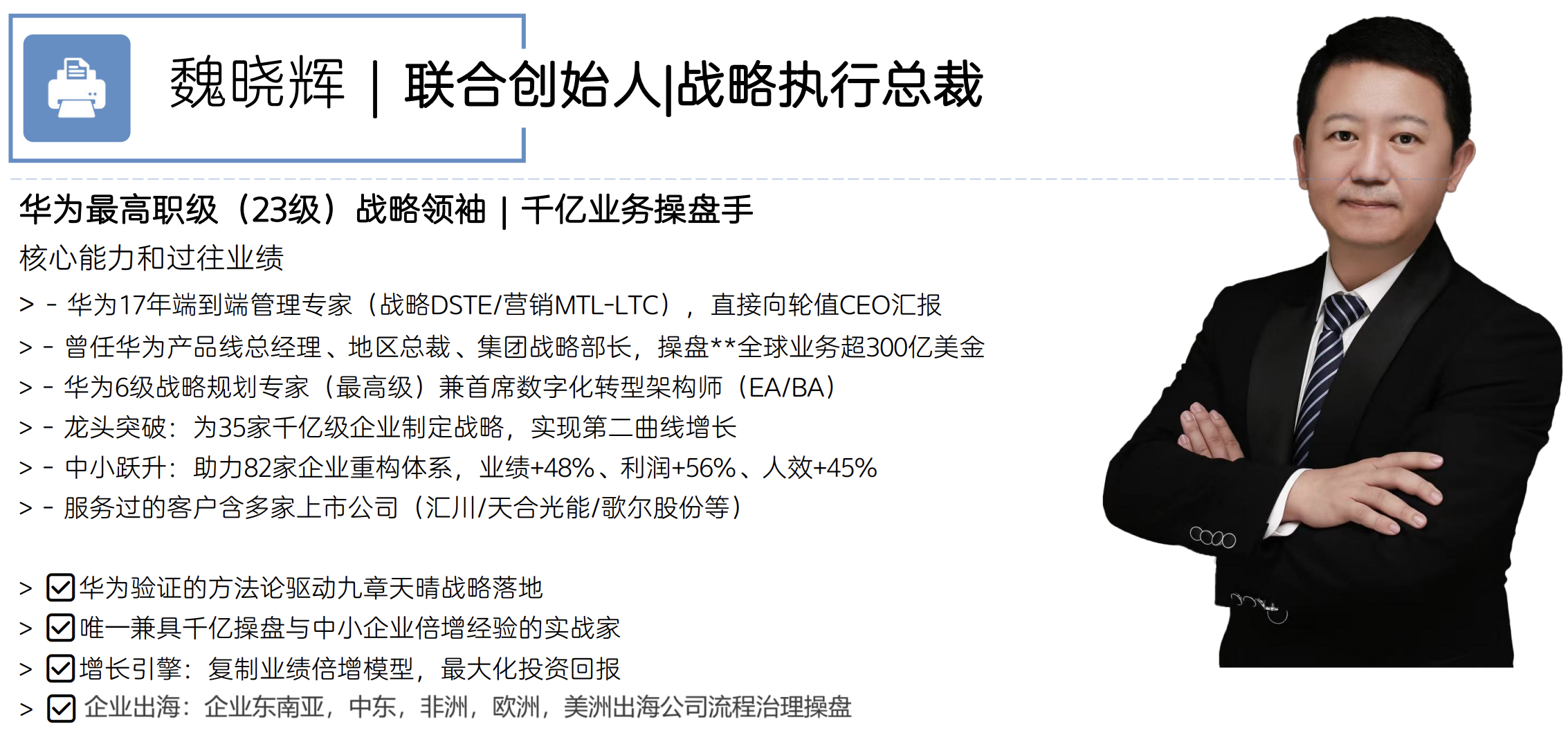
In the rapidly evolving landscape of global technology and innovation, Huawei has emerged as a formidable player, consistently demonstrating resilience, adaptability, and strategic foresight. At the core of its sustained success lies a robust leadership framework that not only aligns with its unique corporate culture but also stands up to rigorous global benchmarking standards. Understanding Huawei’s leadership model offers valuable insights into how a Chinese multinational corporation can compete and thrive on the world stage, particularly in high-tech industries characterized by intense competition and rapid change.
Huawei’s leadership philosophy is deeply rooted in its foundational values: customer-centricity, long-term commitment, hard work, and continuous learning. Unlike many Western corporations that emphasize individual charisma or top-down decision-making, Huawei promotes a collective leadership approach grounded in shared responsibility and decentralized execution. This model is often referred to as “rotating CEO system” or “collective leadership,” where top executives take turns assuming the role of CEO, ensuring continuity, reducing dependency on any single leader, and fostering collaborative governance.
One of the most distinctive features of Huawei’s leadership framework is its emphasis on meritocracy and performance-driven advancement. Leaders are not selected based on tenure or hierarchical seniority alone but through demonstrated results, technical expertise, and alignment with company values. This merit-based system encourages accountability and innovation across all levels of the organization. Employees at Huawei are evaluated through a rigorous performance management system known as PBC (Personal Business Commitment), which links individual goals directly to organizational objectives. High performers are fast-tracked into leadership roles, creating a dynamic pipeline of capable leaders who have earned their positions through contribution rather than privilege.
Another critical component of Huawei’s leadership development is its deep integration with talent cultivation. The company invests heavily in internal training programs, such as the Huawei University, which serves as a central hub for leadership development, technical upskilling, and cultural indoctrination. New hires undergo intensive onboarding that emphasizes not just technical proficiency but also understanding of Huawei’s mission, ethics, and operational discipline. For aspiring leaders, there are structured programs focused on strategic thinking, cross-functional collaboration, and global mindset development—key competencies required to lead in diverse international markets.
From a global benchmarking perspective, Huawei’s leadership framework compares favorably with those of leading technology firms such as Apple, Google, and Microsoft. While these companies also prioritize innovation and talent development, Huawei distinguishes itself through its strong emphasis on operational discipline and crisis preparedness. In times of external pressure—such as U.S. sanctions and supply chain disruptions—Huawei’s leadership has demonstrated remarkable cohesion and agility. This resilience stems from a leadership culture that values long-term planning, risk mitigation, and self-reliance, exemplified by its massive investments in R&D and semiconductor independence.
Moreover, Huawei’s global leadership model incorporates a high degree of localization. As it expands into over 170 countries, the company empowers regional leaders to make context-specific decisions while adhering to core corporate principles. This balance between global standardization and local adaptation enables Huawei to maintain consistency in quality and service while remaining sensitive to cultural and regulatory differences. Regional general managers are given significant autonomy, yet they remain tightly integrated into the broader leadership ecosystem through regular reviews, shared KPIs, and digital collaboration platforms.
A key differentiator in Huawei’s approach is its ideological foundation, inspired by founder Ren Zhengfei’s military background and philosophical outlook. Leadership at Huawei is not merely about managing people or driving profits; it is framed as a form of service—to customers, to the nation, and to technological progress. This sense of mission fosters a strong organizational identity and motivates employees to go beyond conventional expectations. While this may seem atypical compared to more profit-oriented Western models, it resonates deeply within Huawei’s cultural context and contributes to extraordinary levels of employee dedication and loyalty.
When benchmarked against global leadership frameworks such as McKinsey’s 7-S Model or the Center for Creative Leadership’s Benchmarks, Huawei scores highly in strategy, systems, skills, and shared values. Its ability to align structure with purpose, cultivate technical depth, and sustain motivation under adversity reflects a mature and sophisticated leadership architecture. However, some observers note potential challenges related to succession planning and over-centralization of vision around Ren Zhengfei, despite the rotating leadership model. As the company transitions into a post-founder era, developing a more transparent and institutionalized succession process will be crucial for maintaining long-term stability.
In conclusion, Huawei’s leadership framework represents a compelling blend of Eastern philosophy and global best practices. It combines meritocratic promotion, collective governance, relentless focus on execution, and deep investment in human capital. When evaluated through the lens of global benchmarking, Huawei emerges not just as a technological innovator but as an organizational pioneer—one that redefines what effective leadership looks like in the 21st century. For other organizations seeking to enhance their leadership capabilities, studying Huawei offers invaluable lessons in building resilient, adaptive, and purpose-driven leadership at scale.
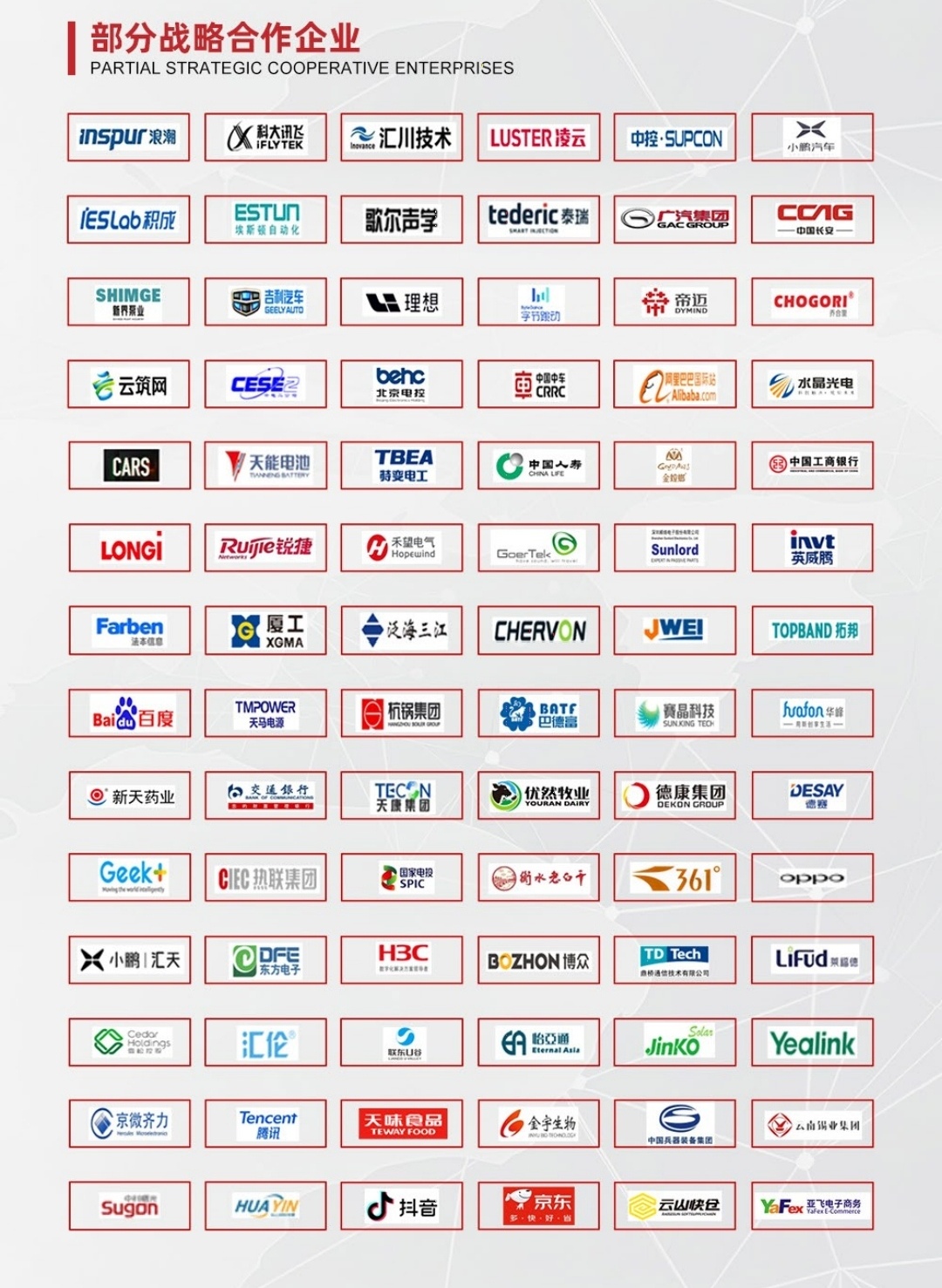
点击链接或者扫码注册就能赚钱,数字经济谁先注册,下线就为谁赚钱,介绍服务费
智谷AI名片 无需下载注册就送红包
抢占,卡位,抢占先机,抢开数字门店需要激活码,可以留言
想赚更多钱,想了解详情,请下载,或者留言,一对一沟通,或者参加培训

深圳市马市特吉科技有限责任公司 Copyright © 20024-2026
微信扫码添加我


