


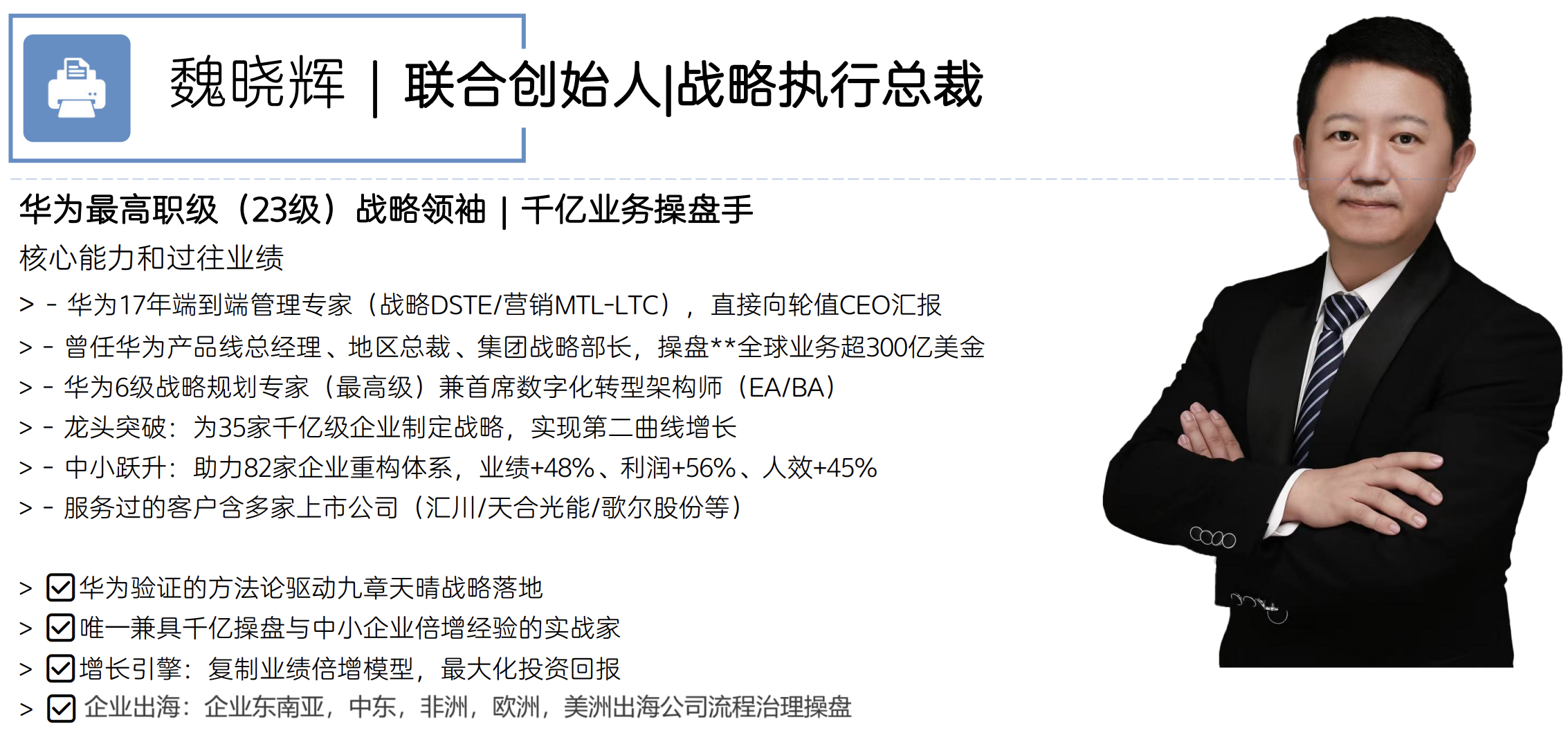
Huawei Technologies, founded in 1987 by Ren Zhengfei, has grown from a modest telecommunications equipment reseller into one of the world’s leading technology companies. Despite facing intense international scrutiny and geopolitical challenges, Huawei has consistently demonstrated resilience and innovation through strategic performance improvements. These enhancements are not theoretical but grounded in real-world case applications across research and development (R&D), supply chain optimization, digital transformation, and global market adaptation.
One of the most compelling examples of Huawei’s performance improvement lies in its R&D investment and innovation model. In 2022 alone, Huawei allocated over $23 billion to research and development, representing approximately 22.4% of its annual revenue. This commitment is reflected in tangible outcomes. For instance, during the U.S. government's sanctions that restricted access to advanced semiconductor technologies, Huawei responded by accelerating internal innovation. The company developed its own operating system, HarmonyOS, which was initially launched for smart home devices and later scaled to smartphones and tablets. By the end of 2023, HarmonyOS had been installed on over 700 million devices globally. This pivot not only reduced dependency on external platforms like Android but also enhanced ecosystem integration across Huawei’s product portfolio, improving user experience and operational efficiency.
Another significant case study involves Huawei’s transformation of its supply chain in response to global disruptions. After being placed on the U.S. Entity List in 2019, Huawei faced severe limitations in sourcing critical components such as high-end chips. Rather than retreating, the company restructured its supply chain with a dual strategy: diversifying suppliers and investing heavily in domestic alternatives. Huawei partnered with Chinese semiconductor manufacturers like SMIC (Semiconductor Manufacturing International Corporation) and increased collaboration with academic institutions to co-develop next-generation chip technologies. Internally, it implemented AI-driven logistics systems to optimize inventory management and reduce lead times. As a result, despite initial setbacks, Huawei managed to stabilize its smartphone production and even launched new models equipped with domestically produced 5G-capable Kirin chips in 2023—demonstrating a remarkable recovery in manufacturing capability.
In the realm of enterprise solutions, Huawei has leveraged its technological expertise to improve performance through digital transformation initiatives. A notable example is the Smart Campus project implemented at Tsinghua University in Beijing. Huawei provided an integrated solution combining cloud computing, IoT sensors, and AI analytics to enhance campus operations. The system monitors energy consumption in real time, automates lighting and climate control, and optimizes facility maintenance schedules. Since deployment, the university reported a 30% reduction in energy costs and a 40% improvement in operational response times. This case illustrates how Huawei applies its own technologies to deliver measurable performance gains for clients while simultaneously refining its products based on real-world feedback.
Moreover, Huawei’s expansion into emerging markets highlights its adaptive performance strategies. In Africa, where infrastructure limitations pose significant challenges, Huawei deployed its RuralStar solution—a low-cost, solar-powered mobile network system designed for remote areas. In Nigeria, this technology enabled over 10 million previously unconnected people to access voice and data services. Beyond social impact, the initiative improved Huawei’s operational agility by forcing engineers to design resilient, modular systems that could be rapidly deployed and maintained with minimal resources. The success of RuralStar led to its adoption in other regions, including Southeast Asia and Latin America, showcasing how localized problem-solving can drive global scalability and performance excellence.
Internally, Huawei has also prioritized organizational performance through cultural and managerial reforms. Following periods of rapid growth, the company recognized inefficiencies in decision-making processes due to bureaucratic layers. To address this, Huawei introduced a “frontline command” model, empowering regional teams with greater autonomy to respond to market demands. In Europe, for example, local sales and engineering units were given authority to customize 5G network deployments based on national regulations and customer needs without waiting for approval from headquarters. This decentralization reduced project delivery times by up to 50% and significantly improved client satisfaction scores. Such structural changes reflect Huawei’s ability to align internal operations with external performance goals.
Finally, Huawei’s response to cybersecurity concerns exemplifies performance improvement through transparency and standardization. Facing skepticism about the security of its networking equipment, especially in Western markets, Huawei established Cyber Security Transparency Centers in countries like Belgium and Germany. These centers allow independent experts and government representatives to review source code, assess vulnerability management practices, and verify compliance with international standards. While not eliminating all political barriers, these efforts have helped rebuild trust and facilitated continued business operations in key markets. The process itself led Huawei to strengthen its internal security protocols, resulting in faster patch deployment cycles and more rigorous third-party audits—direct performance benefits stemming from external pressure.
In conclusion, Huawei’s journey of performance improvement is neither abstract nor isolated. It is rooted in concrete case applications that span technological innovation, supply chain resilience, digital transformation, market adaptation, organizational restructuring, and cybersecurity governance. Each challenge has served as a catalyst for reinvention, enabling the company to maintain competitiveness despite adversity. These real-world examples underscore a fundamental principle: sustainable performance improvement arises not from incremental tweaks but from bold, systemic responses to complex problems. As Huawei continues navigating an evolving global landscape, its track record offers valuable lessons for organizations striving to enhance performance through practical, impactful innovation.
点击链接或者扫码注册就能赚钱,数字经济谁先注册,下线就为谁赚钱,介绍服务费
智谷AI名片 无需下载注册就送红包
抢占,卡位,抢占先机,抢开数字门店需要激活码,可以留言
想赚更多钱,想了解详情,请下载,或者留言,一对一沟通,或者参加培训

深圳市马市特吉科技有限责任公司 Copyright © 20024-2026
微信扫码添加我


