


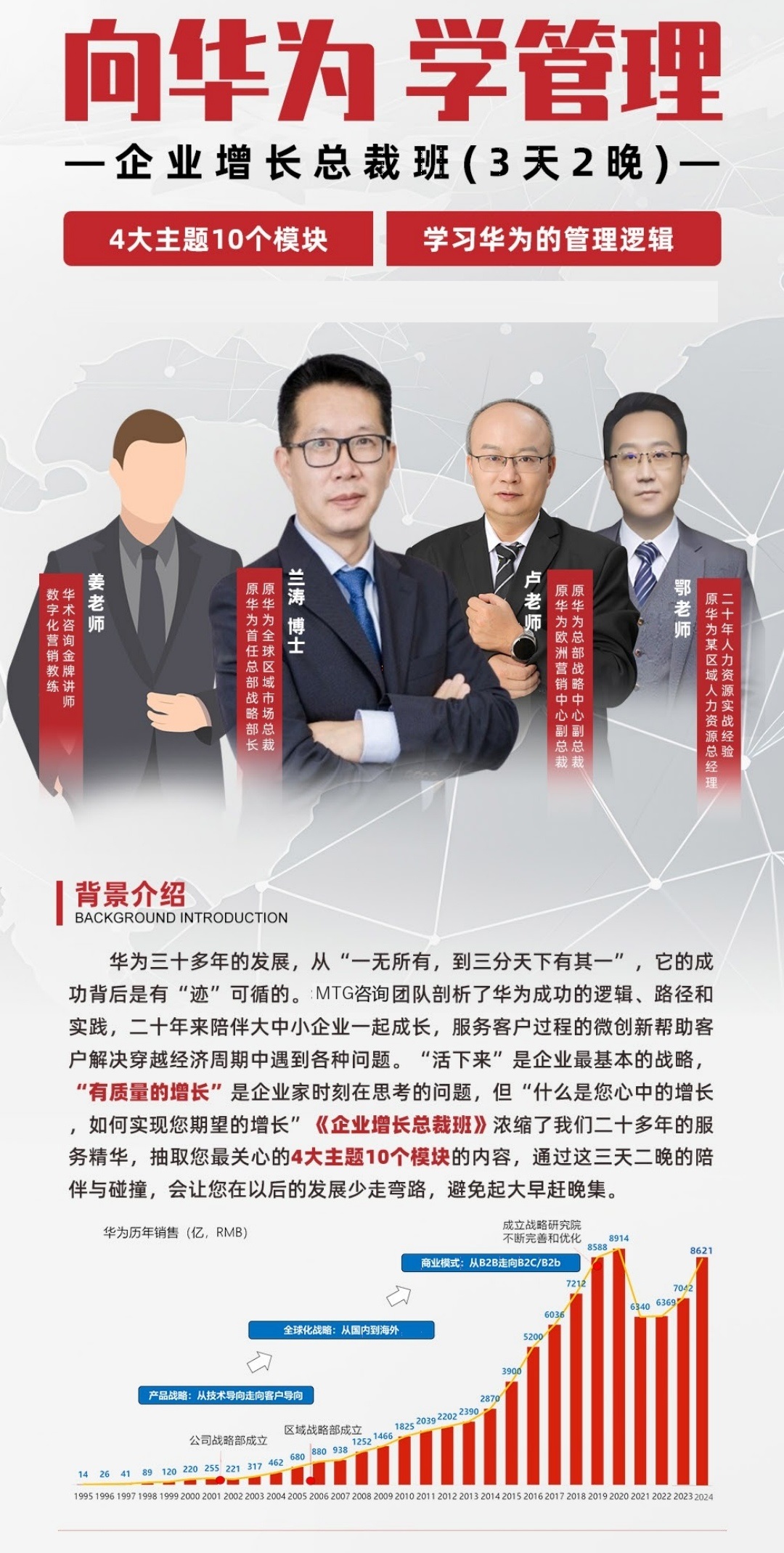
In today’s hyper-competitive global business environment, organizations are constantly seeking ways to enhance operational efficiency, drive innovation, and sustain long-term growth. One model that has consistently drawn international attention is the management system of Huawei Technologies—a Chinese multinational telecommunications giant renowned for its disciplined execution, relentless focus on R&D, and scalable organizational structure. Emulating Huawei’s management practices can provide transformative benefits, but doing so successfully requires more than mere imitation; it demands professional support, strategic alignment, and a deep understanding of the underlying principles.
Huawei’s success stems from a unique blend of cultural values, performance-driven systems, and adaptive leadership models. At the core of its management philosophy is the concept of customer-centricity. Every decision within Huawei—from product development to resource allocation—is evaluated based on how well it serves customer needs. This orientation is supported by a highly decentralized yet coordinated decision-making process, allowing teams to act swiftly while remaining aligned with overarching corporate goals. Additionally, Huawei places immense emphasis on continuous learning and innovation. The company reinvests a significant portion of its annual revenue—often over 15%—into research and development, ensuring technological leadership and market responsiveness.
Another hallmark of Huawei’s approach is its performance-based compensation and promotion system. Employees are evaluated through rigorous Key Performance Indicators (KPIs), and career advancement is closely tied to measurable contributions rather than tenure or seniority. This meritocratic culture fosters accountability, drives motivation, and attracts top talent. Moreover, Huawei employs a “wolf culture”—a metaphor symbolizing teamwork, aggressiveness in pursuing opportunities, and resilience in adversity. While this term may sound intense, it reflects a mindset of vigilance, collaboration, and constant improvement.
However, implementing such a system is not without challenges. Many organizations attempting to adopt Huawei-style management encounter resistance due to cultural misalignment, lack of leadership buy-in, or insufficient change management capabilities. For instance, introducing a high-performance evaluation system in a traditionally hierarchical or consensus-driven organization can lead to employee dissatisfaction if not carefully managed. Similarly, decentralizing authority requires robust internal communication systems and trust in middle management—elements that may be underdeveloped in some companies.
This is where professional support becomes indispensable. Consulting firms, organizational development experts, and change management specialists play a critical role in translating Huawei’s best practices into context-specific strategies. They begin by conducting comprehensive assessments of the current organizational culture, operational workflows, and leadership styles. Based on these insights, they design tailored transformation roadmaps that integrate key elements of Huawei’s model—such as outcome-oriented KPIs, cross-functional team structures, and innovation incubation mechanisms—while respecting the host organization’s unique identity and constraints.
One effective approach involves piloting Huawei-inspired initiatives in select departments before scaling them enterprise-wide. For example, a manufacturing firm might first implement a results-driven performance review system in its R&D division, using external consultants to train managers, redefine job roles, and establish transparent evaluation criteria. Feedback from this pilot can then inform adjustments before rolling out similar changes across sales, operations, and supply chain units. This phased strategy minimizes disruption and builds momentum through visible early wins.
Professional advisors also help organizations develop the necessary infrastructure to support Huawei-style systems. This includes digital platforms for real-time performance tracking, knowledge-sharing portals to promote continuous learning, and governance frameworks to ensure accountability. They often recommend adopting Huawei’s IPD (Integrated Product Development) model, which emphasizes cross-functional collaboration throughout the product lifecycle. By breaking down silos between engineering, marketing, and production teams, companies can accelerate time-to-market and improve product quality—key advantages in fast-moving industries.
Leadership development is another crucial component of successful implementation. Huawei invests heavily in cultivating leaders at all levels through structured training programs, mentorship, and rotational assignments. External experts can assist client organizations in building similar leadership pipelines by designing competency frameworks, succession planning tools, and experiential learning modules. They emphasize the importance of servant leadership—where leaders enable team success rather than command control—as a counterbalance to the high-pressure aspects of Huawei’s culture.
Furthermore, sustainability is ensured by embedding these practices into the organization’s DNA. Rather than treating Huawei-style reforms as temporary projects, professional consultants advocate for institutionalizing them through revised HR policies, performance management systems, and cultural narratives. Regular audits, employee engagement surveys, and benchmarking against industry standards help maintain alignment and drive continuous refinement.
In conclusion, adopting Huawei-style management systems offers a powerful pathway to enhanced competitiveness and innovation. However, the journey requires more than copying processes—it demands thoughtful adaptation guided by professional expertise. With the right support, organizations can harness the strengths of Huawei’s model while preserving their own values and agility. The result is not just improved performance, but the creation of a resilient, future-ready enterprise capable of thriving in an era of rapid change.
点击链接或者扫码注册就能赚钱,数字经济谁先注册,下线就为谁赚钱,介绍服务费
智谷AI名片 无需下载注册就送红包
抢占,卡位,抢占先机,抢开数字门店需要激活码,可以留言
想赚更多钱,想了解详情,请下载,或者留言,一对一沟通,或者参加培训

深圳市马市特吉科技有限责任公司 Copyright © 20024-2026
微信扫码添加我


