


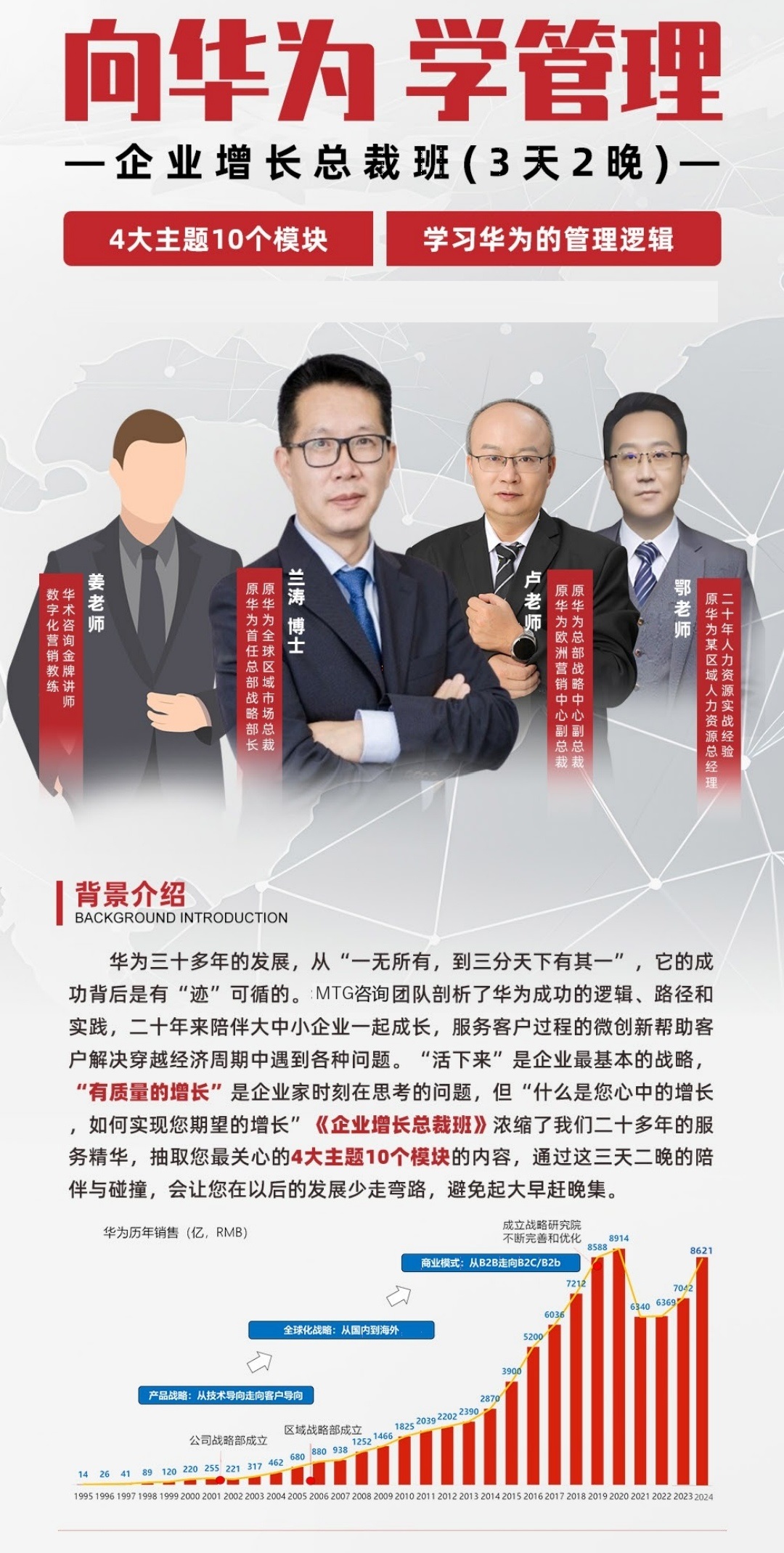
Unlock Growth Secrets from Huawei’s Strategic Management Models
In the global technology landscape, few companies have demonstrated as consistent and transformative growth as Huawei Technologies. From its humble beginnings in a Shenzhen apartment in 1987 to becoming one of the world’s leading telecommunications equipment providers and smartphone manufacturers, Huawei’s rise is a masterclass in strategic foresight, disciplined execution, and relentless innovation. At the core of its success lies a sophisticated strategic management framework that blends long-term vision with operational agility. By examining Huawei’s strategic models, businesses across industries can uncover powerful insights into sustainable growth, resilience, and competitive advantage.
One of the foundational elements of Huawei’s strategy is its customer-centric approach. Unlike many tech firms that prioritize product features or technological superiority alone, Huawei embeds customer needs at the heart of every decision. This philosophy is not just a marketing slogan but a deeply institutionalized principle. The company invests heavily in understanding the pain points of telecom operators, enterprise clients, and end consumers alike. For example, before launching any new network solution, Huawei conducts extensive field research, often co-developing products with partners. This collaborative model ensures that innovations are not only cutting-edge but also practical and scalable in real-world environments. The lesson here is clear: true innovation must solve real problems, and the best way to identify those problems is by listening closely to customers.
Another critical component of Huawei’s strategic arsenal is its commitment to long-term investment in research and development (R&D). Over the past decade, Huawei has consistently allocated more than 10% of its annual revenue to R&D—surpassing even major Western tech giants in absolute spending. In 2023, this amounted to over $20 billion, funding more than 100,000 R&D employees worldwide. This massive investment is not scattered randomly; it is strategically directed toward future technologies such as 5G/6G, artificial intelligence, cloud computing, and semiconductor design. Huawei’s establishment of 26 research institutes across 14 countries exemplifies its global mindset and long-term orientation. The takeaway for other organizations is that sustained innovation requires patience and capital. Short-term profit maximization should never come at the expense of future technological leadership.
Huawei’s strategic management also emphasizes organizational resilience through decentralization and empowerment. The company operates under a unique “three-line” model: frontline units are granted significant autonomy to respond rapidly to market changes, while backend support systems ensure consistency in quality and compliance. This balance between agility and control enables Huawei to adapt quickly without sacrificing standards. Moreover, Huawei employs a matrix structure that fosters cross-functional collaboration. Engineers, marketers, and supply chain experts work in integrated teams, breaking down silos that often hinder innovation in large corporations. This structural flexibility allows Huawei to pivot swiftly—for instance, when U.S. sanctions disrupted its access to advanced chips, the company accelerated internal development of alternative solutions and diversified into areas like smart wearables and automotive technologies.
A lesser-known but equally vital aspect of Huawei’s strategy is its human capital philosophy. The company follows a rigorous performance-based culture rooted in what founder Ren Zhengfei calls “wolf spirit”—a combination of aggression, teamwork, and vigilance. Employees are encouraged to take initiative, challenge assumptions, and embrace hardship. High performers are rewarded generously through stock options and bonuses, creating strong alignment between individual effort and corporate success. Importantly, Huawei avoids complacency by rotating top executives across departments and regions, preventing bureaucratic stagnation. This dynamic talent model reinforces continuous learning and accountability, ensuring that the organization remains sharp and responsive.
Risk management is another cornerstone of Huawei’s strategic planning. Operating in highly regulated and geopolitically sensitive markets, the company has developed robust mechanisms to anticipate and mitigate external threats. Long before the U.S.-China trade tensions escalated, Huawei had already begun building redundancy into its supply chain and investing in domestic alternatives for critical components. When banned from using Google Mobile Services, Huawei rapidly launched its own operating system, HarmonyOS, and app ecosystem. This proactive risk posture reflects a deep understanding that in today’s volatile environment, survival depends on preparedness. Companies should view risk not merely as something to avoid but as a strategic variable to manage proactively.
Finally, Huawei’s global expansion strategy offers valuable lessons in localization and cultural adaptation. Rather than imposing a one-size-fits-all model, the company tailors its offerings to regional preferences and regulatory environments. In Africa, for instance, Huawei has partnered with local governments to build affordable broadband infrastructure, positioning itself as a nation-building ally rather than just a vendor. In Europe, it emphasizes data privacy and sustainability to align with local values. This contextual intelligence enables Huawei to gain trust and establish long-term partnerships, even in skeptical markets.
In conclusion, Huawei’s extraordinary growth trajectory is not accidental but the result of a coherent, well-executed strategic management system. Its emphasis on customer intimacy, relentless R&D, organizational agility, talent development, risk preparedness, and cultural sensitivity forms a holistic blueprint for enduring success. While geopolitical challenges continue to test the company’s resilience, its strategic foundations remain intact. For business leaders seeking to unlock their own growth potential, studying Huawei’s models offers not just inspiration but actionable frameworks. In an era defined by disruption, the ability to think long-term, act decisively, and adapt continuously may be the ultimate competitive advantage.
点击链接或者扫码注册就能赚钱,数字经济谁先注册,下线就为谁赚钱,介绍服务费
智谷AI名片 无需下载注册就送红包
抢占,卡位,抢占先机,抢开数字门店需要激活码,可以留言
想赚更多钱,想了解详情,请下载,或者留言,一对一沟通,或者参加培训

深圳市马市特吉科技有限责任公司 Copyright © 20024-2026
微信扫码添加我


