


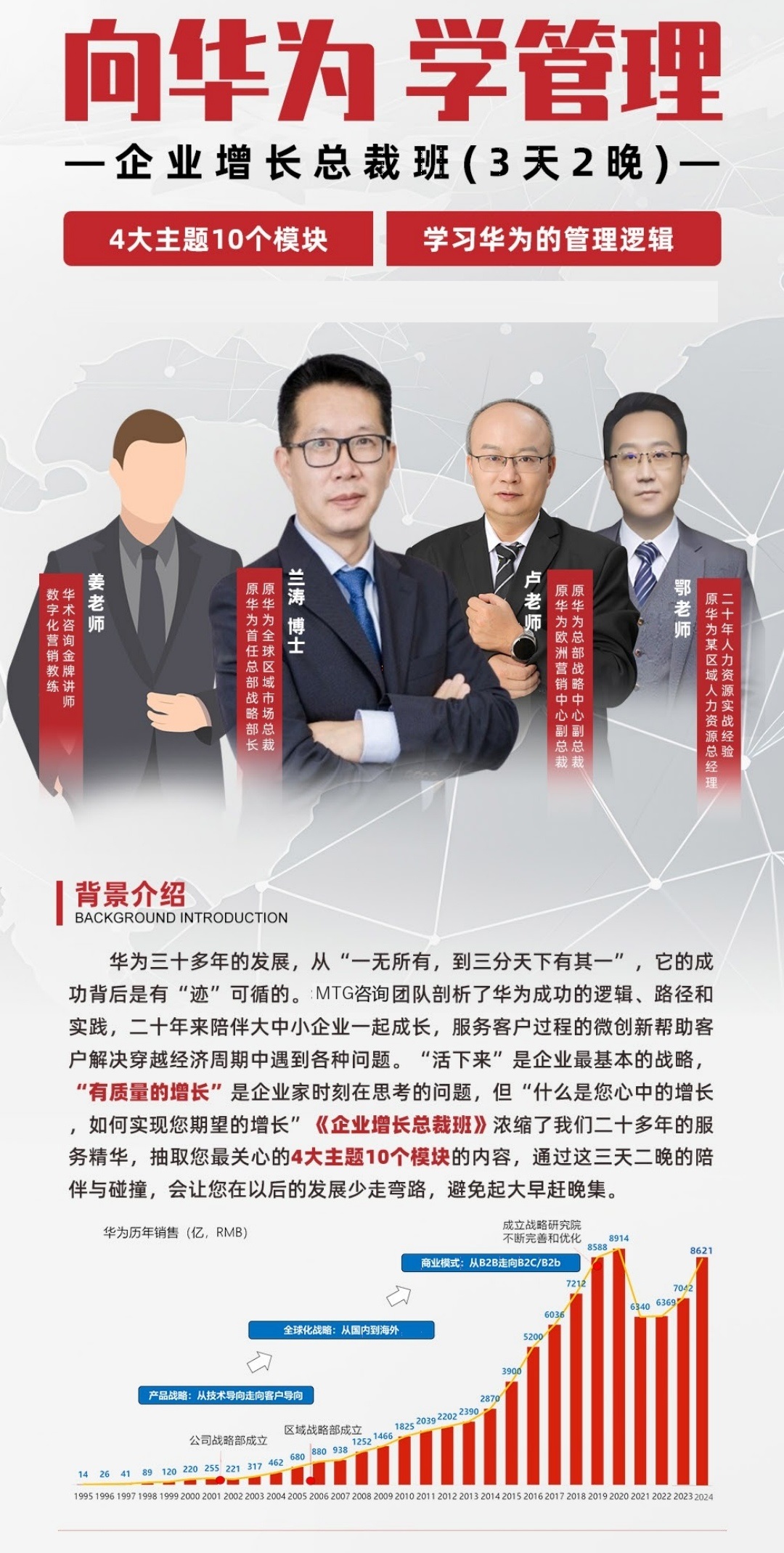
In today’s hyper-competitive global marketplace, customer satisfaction is no longer a differentiator—it is a necessity. Companies that prioritize customer needs and align their operations around delivering exceptional value consistently outperform their peers. One organization that exemplifies this principle at scale is Huawei, the Chinese multinational technology giant. Despite operating in one of the most dynamic and challenging industries, Huawei has maintained sustained growth and innovation by embedding a deeply rooted customer-centric culture into its management philosophy. Businesses across sectors can learn from Huawei’s approach and adapt its principles to enhance their own performance, loyalty, and long-term sustainability.
At the core of Huawei’s success lies its unwavering commitment to placing the customer at the center of every decision. This isn’t merely a marketing slogan or a superficial initiative; it is a strategic imperative woven into the company’s DNA. Huawei’s founder, Ren Zhengfei, famously stated, “The purpose of a company is to serve its customers.” This belief drives everything from product development to employee incentives. By adopting similar principles, companies can transform their operational models and foster stronger relationships with their clients.
One of the key aspects of Huawei’s customer-centric model is its focus on understanding real customer pain points. Rather than relying solely on market research or assumptions, Huawei emphasizes direct engagement with clients—engineers and managers frequently visit customer sites, observe operations firsthand, and collaborate on solving technical challenges. This hands-on approach enables Huawei to design solutions that are not only innovative but also highly relevant and practical. Organizations looking to emulate this practice should encourage cross-functional teams to engage directly with customers, gather qualitative feedback, and use insights to drive product and service improvements.
Another critical component is Huawei’s decentralized decision-making structure. The company empowers frontline employees—who interact directly with customers—to make timely decisions without waiting for top-down approvals. This agility allows Huawei to respond rapidly to customer demands, resolve issues efficiently, and maintain high service levels. In contrast, many traditional companies suffer from bureaucratic delays that frustrate both employees and clients. To adopt this principle, businesses should reevaluate their approval hierarchies, delegate authority to customer-facing teams, and build trust through accountability rather than micromanagement.
Huawei also excels in long-term relationship building. Instead of focusing on short-term sales targets, the company invests in partnerships that deliver mutual value over time. For example, Huawei works closely with telecom operators to co-develop network infrastructure tailored to local market conditions. This collaborative mindset fosters loyalty and positions Huawei as a trusted advisor rather than just a vendor. Companies can replicate this by shifting from transactional interactions to consultative relationships, offering customized solutions, and measuring success not just by revenue but by customer outcomes and retention rates.
Performance evaluation within Huawei further reinforces its customer-first ethos. Employee bonuses and promotions are tied not only to financial metrics but also to customer satisfaction scores, project delivery quality, and responsiveness. This alignment ensures that every team member understands their role in enhancing the customer experience. Other organizations can implement similar incentive structures by integrating customer feedback into performance reviews and recognizing behaviors that demonstrate empathy, problem-solving, and proactive support.
Technology and data also play a vital role in Huawei’s customer-centric strategy. The company leverages advanced analytics, artificial intelligence, and real-time monitoring systems to anticipate customer needs, predict potential failures, and offer preemptive solutions. For instance, Huawei’s smart maintenance platforms can detect anomalies in network equipment before they cause disruptions, minimizing downtime for clients. Businesses aiming to become more customer-focused should invest in digital tools that enable predictive service, personalized communication, and seamless omnichannel experiences.
Moreover, Huawei places strong emphasis on continuous learning and improvement. The company operates internal academies and training programs that instill customer-centric values in all employees—from new hires to senior executives. Regular workshops, case studies, and customer shadowing sessions ensure that the philosophy remains alive and evolving. Companies should establish ongoing education initiatives that reinforce customer empathy, teach effective communication techniques, and share best practices across departments.
Finally, resilience and adaptability are hallmarks of Huawei’s approach. Even under intense external pressure—from geopolitical tensions to supply chain disruptions—the company has remained focused on fulfilling customer commitments. This steadfastness builds credibility and strengthens client confidence. Organizations can cultivate similar resilience by developing contingency plans, maintaining transparent communication during crises, and always prioritizing customer interests even when making difficult trade-offs.
In conclusion, adopting Huawei’s customer-centric management principles requires more than implementing isolated tactics—it demands a fundamental shift in organizational culture, leadership mindset, and operational processes. It means empowering employees, listening deeply to customers, leveraging technology wisely, and measuring success through the lens of customer value. While Huawei operates in a unique context, the underlying principles of empathy, agility, partnership, and accountability are universally applicable. By embracing these values, any company can elevate its customer experience, build lasting loyalty, and achieve sustainable competitive advantage in an ever-changing world.
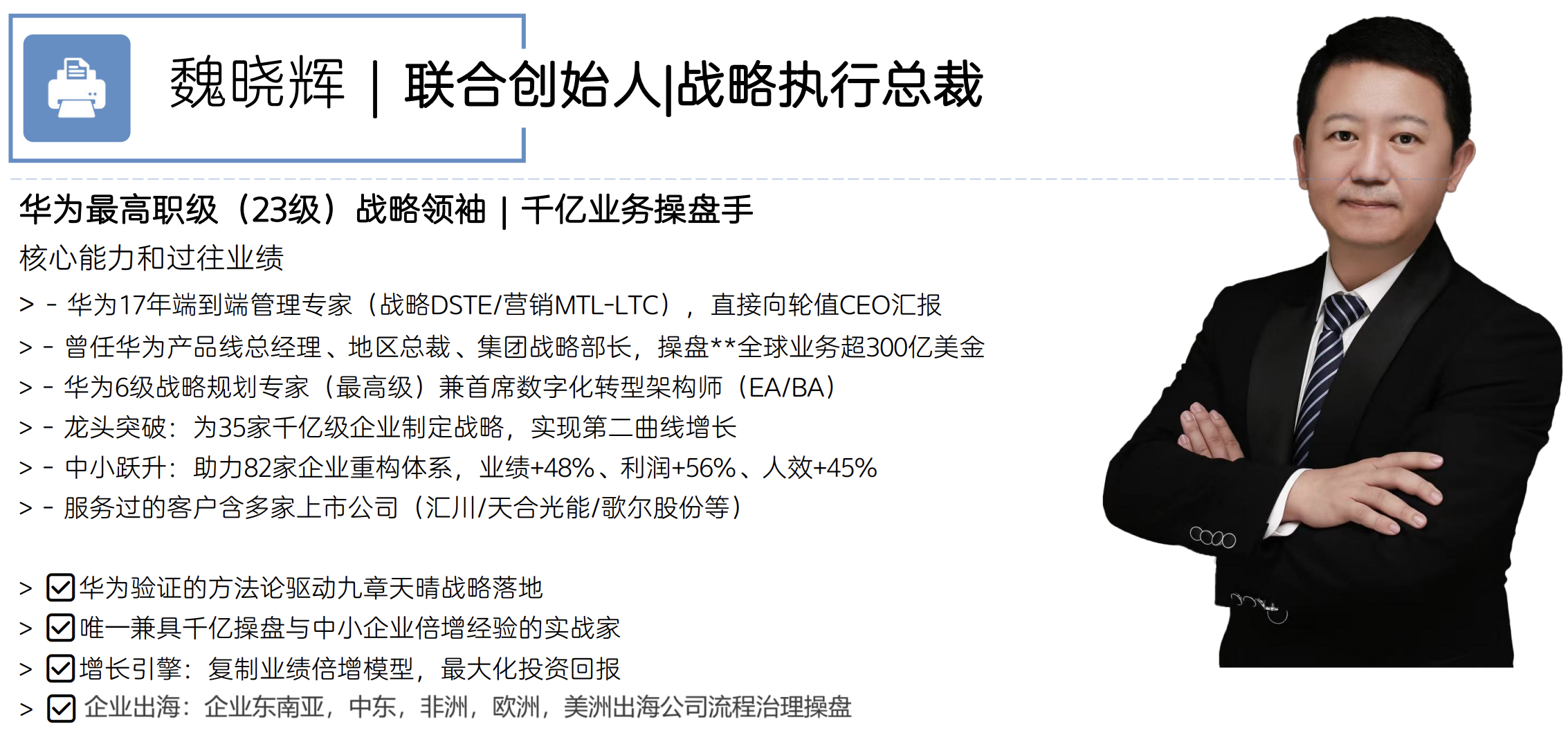
点击链接或者扫码注册就能赚钱,数字经济谁先注册,下线就为谁赚钱,介绍服务费
智谷AI名片 无需下载注册就送红包
抢占,卡位,抢占先机,抢开数字门店需要激活码,可以留言
想赚更多钱,想了解详情,请下载,或者留言,一对一沟通,或者参加培训

深圳市马市特吉科技有限责任公司 Copyright © 20024-2026
微信扫码添加我


