


Huawei Technologies, one of the world’s leading telecommunications and consumer electronics companies, has faced a series of unprecedented challenges over the past several years. From intense geopolitical scrutiny to sweeping U.S. sanctions, supply chain disruptions, and global market restrictions, Huawei’s journey through crisis has become a textbook case in corporate resilience and strategic adaptation. The company’s response to these multifaceted pressures reveals a distinctive management style characterized by long-term planning, technological self-reliance, organizational agility, and unwavering leadership commitment.
At the heart of Huawei’s crisis response is its deeply ingrained culture of preparedness. Founded by Ren Zhengfei, a former engineer in the People’s Liberation Army, the company has always operated with a mindset of "survival under pressure." This philosophy was evident long before the U.S. government began targeting Huawei in 2018. As early as 2012, Ren warned employees about potential supply chain risks and initiated internal projects to develop alternative technologies. When the U.S. Department of Commerce placed Huawei on its Entity List in May 2019—effectively cutting off access to American-made components and software such as Google Mobile Services—the company was not caught entirely off guard. Instead, it activated pre-existing contingency plans, demonstrating a level of foresight rare in global corporations.
One of the most critical elements of Huawei’s resilience strategy has been its investment in research and development (R&D). Despite external constraints, Huawei has consistently allocated a significant portion of its revenue—often exceeding 15% annually—to R&D. In 2022 alone, the company invested over $23 billion in innovation, making it one of the top spenders globally. This commitment enabled Huawei to accelerate the development of its own operating system, HarmonyOS, which now powers hundreds of millions of devices. Similarly, the company has made strides in semiconductor design through its HiSilicon subsidiary, although manufacturing remains a challenge due to export controls on advanced chipmaking equipment.
The shift toward self-sufficiency, or what Huawei calls “going from being beaten to fighting back,” reflects a broader strategic pivot. Rather than retreating from international markets, Huawei restructured its operations to focus on areas less vulnerable to geopolitical interference. For instance, the company doubled down on enterprise solutions, cloud computing, and smart infrastructure—sectors where its expertise in networking and digital transformation provides a competitive edge. Domestically, Huawei strengthened partnerships with Chinese tech firms and government entities, positioning itself as a key player in national digitalization initiatives, including 5G rollout and smart city development.
Another hallmark of Huawei’s management style is its emphasis on internal cohesion and employee morale during turbulent times. The company has maintained a unique human resources model that combines performance-driven incentives with a strong sense of collective mission. During the peak of the U.S. sanctions, Huawei avoided large-scale layoffs, instead encouraging innovation and cross-functional collaboration. Employees were mobilized into “task forces” to address specific technical bottlenecks, fostering a wartime mentality that prioritized problem-solving over bureaucracy. Internal communications from Ren Zhengfei consistently emphasized perseverance, humility, and long-term vision, reinforcing a culture resilient to external shocks.
Moreover, Huawei’s crisis response has been marked by strategic patience and public diplomacy. Unlike many Western firms that might engage in aggressive media campaigns or legal confrontations, Huawei has largely adopted a restrained tone in its external messaging. It avoids direct political confrontation while emphasizing its role as a neutral technology provider committed to cybersecurity and global standards. The company has also increased transparency by opening cybersecurity evaluation centers and inviting third-party audits—a move aimed at rebuilding trust with skeptical governments and customers.
Supply chain diversification has been another pillar of Huawei’s resilience. Facing restricted access to U.S. and allied suppliers, the company rapidly expanded relationships with non-Western partners and invested heavily in domestic alternatives. While this transition has not been seamless—particularly in high-end semiconductor manufacturing—it has reduced dependency on any single source. Huawei has also embraced vertical integration, bringing more aspects of design and testing in-house, thereby increasing control over its technological roadmap.
Despite these efforts, challenges remain. The absence of Google services continues to hinder Huawei’s smartphone competitiveness in overseas markets, and advancements in AI and next-generation chips require tools still dominated by U.S. firms. Yet, the company’s ability to sustain growth in revenue and maintain leadership in 5G patents underscores the effectiveness of its adaptive strategies.
In conclusion, Huawei’s approach to crisis management offers valuable insights for organizations navigating an increasingly volatile global landscape. Its success lies not in avoiding adversity, but in anticipating it, preparing for it, and transforming it into a catalyst for innovation. Through a combination of visionary leadership, relentless R&D investment, cultural resilience, and strategic repositioning, Huawei has demonstrated that even under severe external pressure, a company can not only survive but evolve. As geopolitical tensions and technological competition intensify worldwide, Huawei’s experience serves as both a cautionary tale and an inspiring example of how resilience, when embedded in corporate DNA, can become a sustainable competitive advantage.
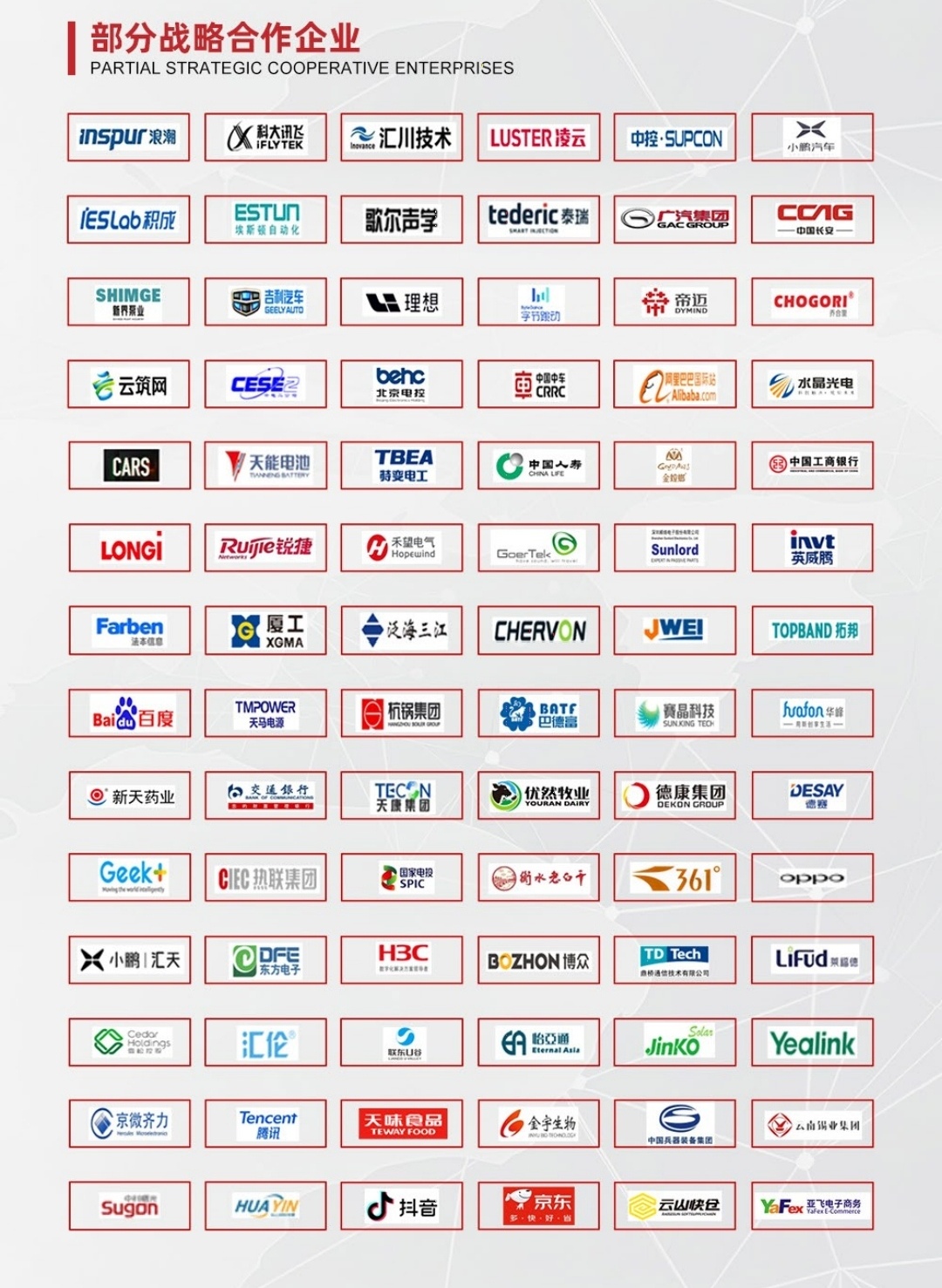
点击链接或者扫码注册就能赚钱,数字经济谁先注册,下线就为谁赚钱,介绍服务费
智谷AI名片 无需下载注册就送红包
抢占,卡位,抢占先机,抢开数字门店需要激活码,可以留言
想赚更多钱,想了解详情,请下载,或者留言,一对一沟通,或者参加培训

深圳市马市特吉科技有限责任公司 Copyright © 20024-2026
微信扫码添加我


