


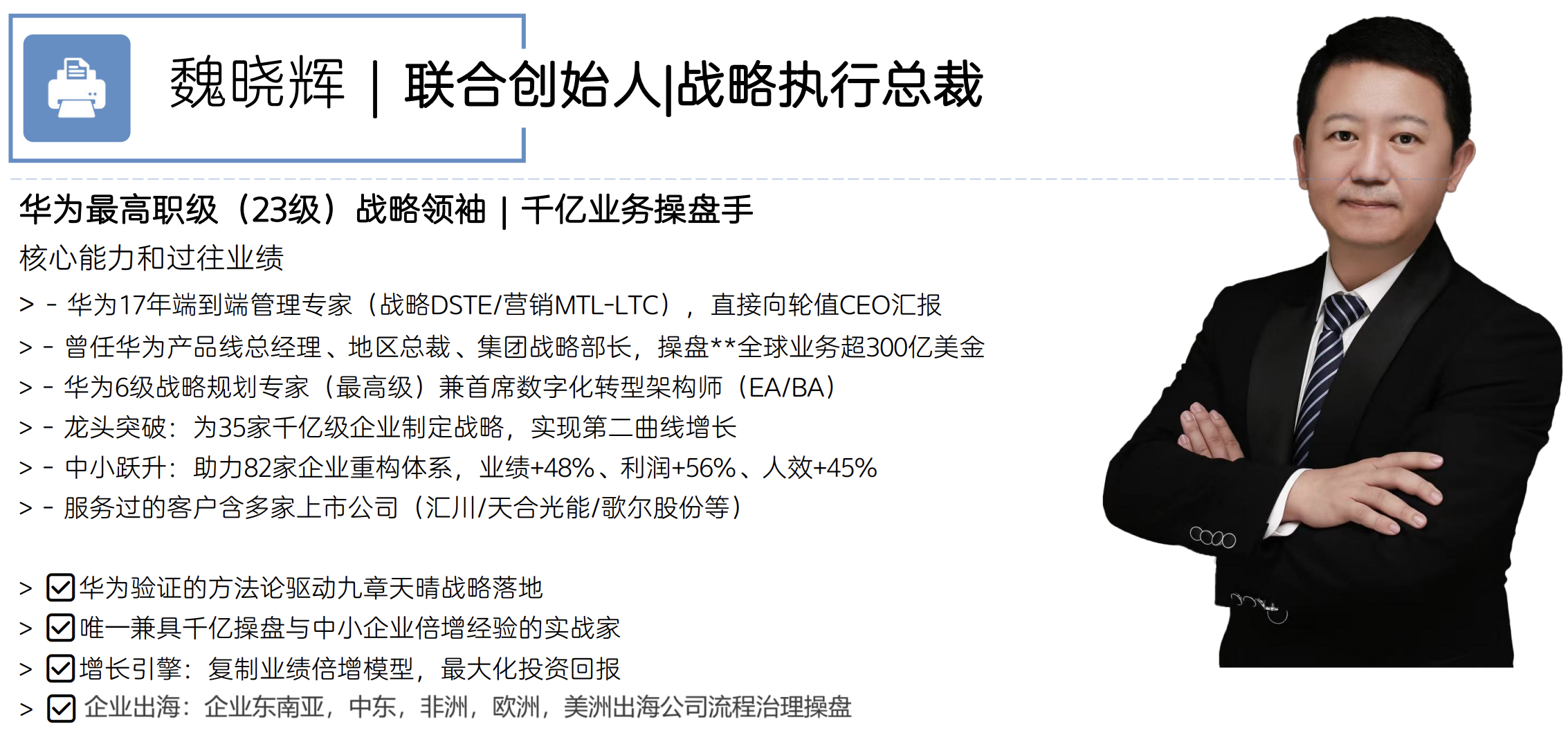
Strengthen Corporate Governance with Huawei’s Compliance Systems
In today’s rapidly evolving global business environment, corporate governance has become a cornerstone of sustainable success. As companies expand across borders and operate in increasingly complex regulatory landscapes, the need for robust compliance systems is more critical than ever. Among global technology leaders, Huawei stands out not only for its innovation but also for its comprehensive approach to corporate governance through a rigorous compliance framework. By examining Huawei’s compliance systems, organizations can gain valuable insights into how to strengthen their own governance practices and foster long-term resilience.
At the heart of Huawei’s corporate governance is a deep-rooted commitment to integrity, transparency, and accountability. The company operates under a unique ownership structure—entirely employee-owned through a shareholding system—which aligns individual interests with the organization’s long-term health. This foundation promotes a culture where compliance is not just enforced from the top down but embraced at every level. Huawei’s Board of Directors and various specialized committees actively oversee compliance matters, ensuring that strategic decisions are made within a framework of legal and ethical standards.
One of the key pillars of Huawei’s compliance system is its Global Compliance Program (GCP), launched in 2017 as part of a broader initiative to institutionalize risk management and regulatory adherence. The GCP encompasses multiple domains, including trade controls, sanctions compliance, anti-bribery, data protection, cybersecurity, and anti-money laundering. What sets this program apart is its integration into daily operations. Rather than being treated as a standalone function, compliance is embedded in business processes—from procurement and R&D to sales and customer service. This operational integration ensures that risks are identified early and addressed proactively.
Huawei also invests heavily in compliance training and awareness. The company mandates regular training for all employees, tailored to their roles and regions. For instance, employees involved in international trade receive specialized instruction on export control regulations such as those issued by the U.S. Department of Commerce. These programs are delivered through digital platforms, enabling consistent delivery across Huawei’s vast global workforce. In addition to formal training, the company fosters a speak-up culture, encouraging employees to report concerns without fear of retaliation. An independent ethics hotline and an ombudsman system support this effort, providing confidential channels for reporting misconduct.
Another distinguishing feature of Huawei’s compliance model is its use of advanced technology to enhance oversight. The company leverages artificial intelligence, machine learning, and big data analytics to monitor transactions, detect anomalies, and assess risk exposure in real time. For example, Huawei’s automated screening tools scan thousands of suppliers and partners against global watchlists to ensure adherence to sanctions requirements. Similarly, internal audit systems use predictive analytics to flag potential compliance deviations before they escalate. This tech-driven approach enables faster response times and reduces human error, reinforcing the reliability of the compliance infrastructure.
Huawei’s dedication to continuous improvement further strengthens its governance framework. The company conducts regular audits and assessments, both internally and through third-party validators, to evaluate the effectiveness of its compliance systems. Findings from these reviews inform updates to policies, procedures, and training content. Moreover, Huawei engages with regulators, industry groups, and academic institutions to stay ahead of emerging regulatory trends. This outward-looking posture allows the company to anticipate changes and adapt swiftly, maintaining alignment with international best practices.
Despite operating in a highly scrutinized geopolitical environment, Huawei has maintained a strong track record of compliance. While it has faced challenges and allegations, particularly related to U.S. export controls, the company has responded by enhancing transparency and cooperation. It has opened cybersecurity evaluation centers in several countries, allowing independent experts to review its products and processes. These efforts demonstrate a willingness to subject itself to external scrutiny—a hallmark of sound corporate governance.
For other organizations seeking to emulate Huawei’s approach, several lessons emerge. First, compliance must be viewed as a strategic imperative, not merely a regulatory obligation. It should be championed by leadership and integrated into the core values of the organization. Second, investment in people and technology is essential. Well-trained employees supported by intelligent systems create a powerful defense against compliance risks. Third, fostering a culture of accountability and openness encourages early detection and resolution of issues, minimizing reputational and financial damage.
Finally, Huawei’s experience underscores the importance of adaptability. In a world where laws and expectations evolve rapidly, static compliance programs quickly become obsolete. Organizations must build flexible systems capable of responding to new threats and opportunities. Regular benchmarking against global standards and peer organizations can help identify gaps and drive innovation.
In conclusion, Huawei’s compliance systems offer a compelling blueprint for strengthening corporate governance in multinational enterprises. Through a combination of structural integrity, technological sophistication, cultural commitment, and continuous improvement, the company has built a resilient framework that supports both compliance and competitiveness. As businesses navigate an era of heightened regulation and stakeholder scrutiny, adopting principles from Huawei’s model can help ensure not only legal conformity but also enduring trust and credibility in the global marketplace.
点击链接或者扫码注册就能赚钱,数字经济谁先注册,下线就为谁赚钱,介绍服务费
智谷AI名片 无需下载注册就送红包
抢占,卡位,抢占先机,抢开数字门店需要激活码,可以留言
想赚更多钱,想了解详情,请下载,或者留言,一对一沟通,或者参加培训
深圳市马市特吉科技有限责任公司 Copyright © 20024-2026
微信扫码添加我


