



In today’s rapidly evolving global business environment, strategic planning is no longer just about short-term gains or reactive decision-making. Organizations must adopt a forward-thinking mindset that enables them to anticipate change, adapt proactively, and sustain long-term growth. One company that exemplifies this approach is Huawei, a global leader in information and communications technology (ICT). By embedding a long-term vision into its strategic planning process, Huawei has managed to thrive despite geopolitical challenges, technological disruptions, and intense competition. Understanding and refining strategic planning through Huawei’s long-term vision approach offers valuable insights for organizations aiming to build resilience and future-readiness.
At the core of Huawei’s strategic philosophy is a deep commitment to long-term thinking. Unlike many companies that prioritize quarterly earnings or immediate market share, Huawei consistently invests in research and development (R&D), talent cultivation, and foundational technologies—even when returns are not immediately visible. For instance, the company allocates over 20% of its annual revenue to R&D, amounting to tens of billions of dollars each year. This level of investment is not driven by short-term profit motives but by a vision to lead in next-generation technologies such as 5G, artificial intelligence, cloud computing, and smart devices. By aligning financial and operational decisions with long-term objectives, Huawei ensures that its strategic planning is not swayed by temporary market fluctuations.
One of the key elements of Huawei’s long-term vision is its emphasis on innovation as a continuous process rather than a series of isolated projects. The company operates numerous R&D centers around the world and collaborates with universities, research institutions, and industry partners to stay at the forefront of technological advancement. This ecosystem-driven approach allows Huawei to anticipate emerging trends and integrate them into its product roadmap years in advance. For example, the groundwork for Huawei’s leadership in 5G technology was laid more than a decade ago, well before the technology became commercially viable. This foresight enabled the company to secure critical patents and establish itself as a major player in global telecommunications infrastructure.
Another defining feature of Huawei’s strategic model is its focus on sustainability and self-reliance. In response to external pressures, including U.S. sanctions that restricted access to key components and software, Huawei accelerated its efforts to develop in-house capabilities. This led to the creation of HarmonyOS, its own operating system, and increased investment in semiconductor design through its HiSilicon subsidiary. While these initiatives required significant upfront costs and carried high risks, they were consistent with Huawei’s long-term goal of reducing dependency on external suppliers and ensuring business continuity. This proactive risk mitigation strategy demonstrates how long-term vision can guide strategic planning even in times of crisis.
Huawei also places strong emphasis on talent development as a cornerstone of sustainable growth. The company recruits top engineering and technical talent globally and fosters a culture of continuous learning and innovation. Employees are encouraged to think beyond immediate deliverables and contribute to long-term technological breakthroughs. Internal mechanisms such as innovation labs, cross-functional teams, and incentive programs for patent generation reinforce this mindset. By cultivating a workforce aligned with its long-term vision, Huawei ensures that its strategic planning is supported by capable, motivated individuals who are invested in the company’s future.
Moreover, Huawei’s leadership, particularly founder Ren Zhengfei, plays a crucial role in sustaining this long-term orientation. Ren has repeatedly emphasized the importance of humility, preparedness, and resilience in the face of uncertainty. He often speaks about “fighting in the dark” and preparing for worst-case scenarios—a philosophy that permeates the organization’s strategic culture. This mindset encourages scenario planning, stress testing of strategies, and investment in redundancy and flexibility. As a result, Huawei’s strategic plans are not rigid blueprints but adaptive frameworks capable of evolving with changing conditions.
For other organizations seeking to refine their strategic planning, adopting elements of Huawei’s long-term vision approach can yield significant benefits. First, it requires redefining success beyond short-term financial metrics. Key performance indicators should include innovation output, talent retention, R&D pipeline strength, and market readiness for future technologies. Second, strategic planning must be integrated across all levels of the organization, ensuring alignment between executive vision, middle management execution, and frontline operations. Third, companies should foster a culture that values patience, perseverance, and long-term value creation over quick wins.
Additionally, embracing open innovation and global collaboration—much like Huawei does—can enhance strategic agility. By engaging with external ecosystems, organizations can gain early insights into technological shifts and co-develop solutions that address future market needs. At the same time, building internal capabilities in critical areas reduces vulnerability to supply chain disruptions and geopolitical risks.
In conclusion, refining strategic planning using Huawei’s long-term vision approach involves shifting from reactive tactics to proactive, principle-driven strategies. It means investing in innovation today for tomorrow’s opportunities, developing resilient organizational structures, and nurturing a culture that embraces uncertainty as a catalyst for growth. In an era defined by volatility and disruption, such an approach is not merely advantageous—it is essential for enduring success. Companies that learn from Huawei’s example will be better equipped to navigate complexity, seize emerging opportunities, and shape the future on their own terms.
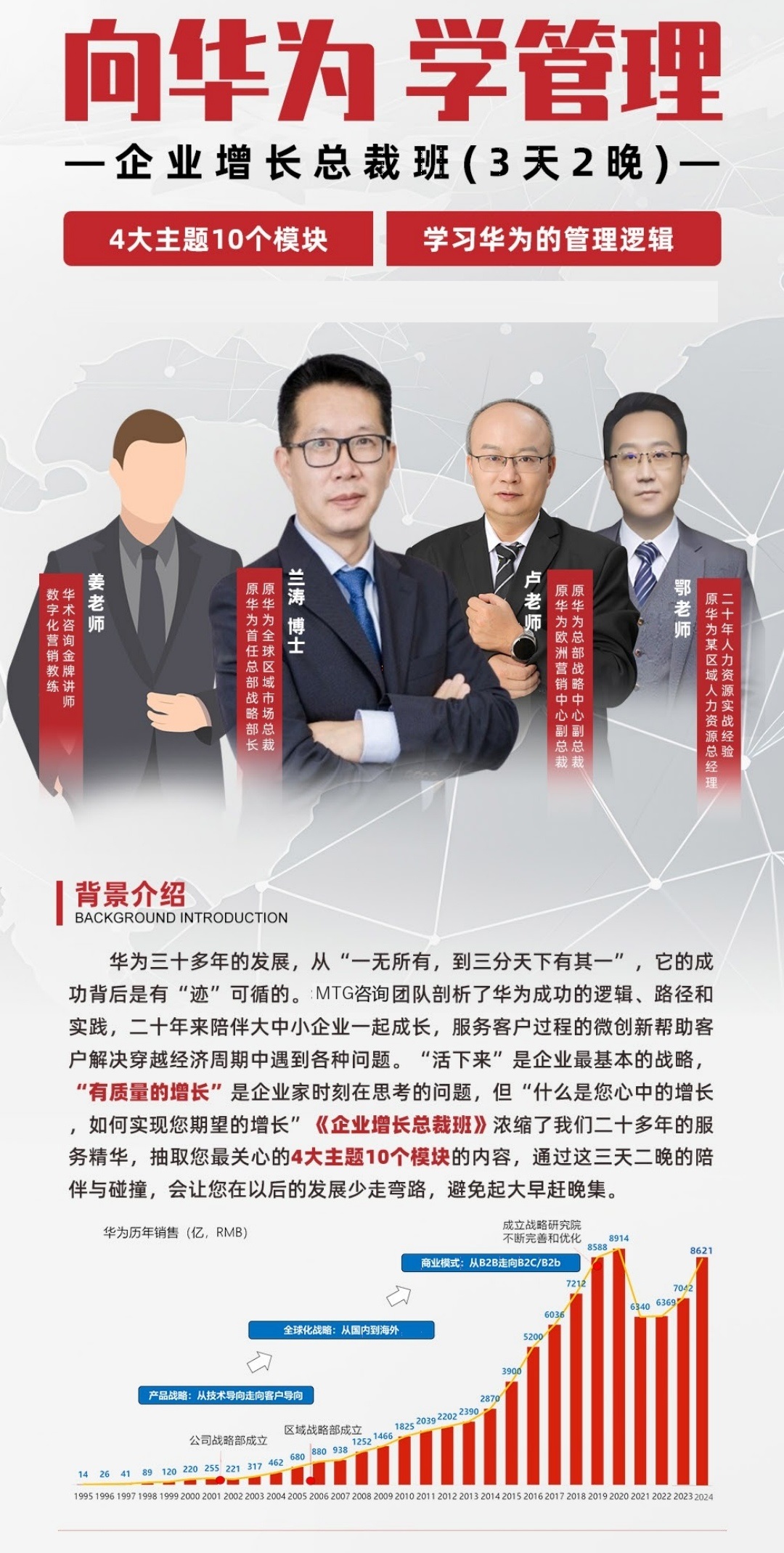
点击链接或者扫码注册就能赚钱,数字经济谁先注册,下线就为谁赚钱,介绍服务费
智谷AI名片 无需下载注册就送红包
抢占,卡位,抢占先机,抢开数字门店需要激活码,可以留言
想赚更多钱,想了解详情,请下载,或者留言,一对一沟通,或者参加培训

深圳市马市特吉科技有限责任公司 Copyright © 20024-2026
微信扫码添加我


