


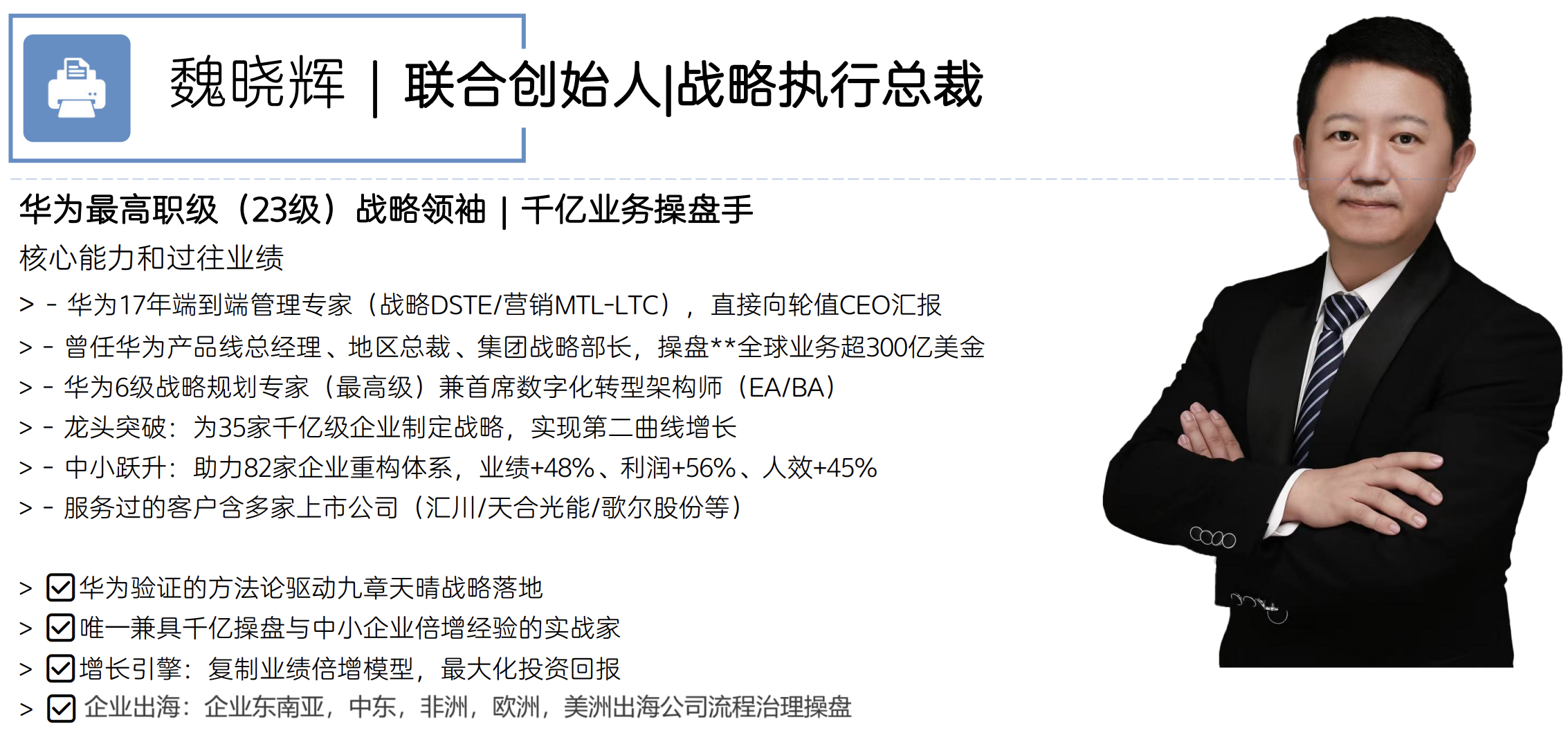
In today’s hyper-competitive global technology landscape, organizations across industries are under constant pressure to innovate, optimize operations, and deliver exceptional value to customers. One of the most effective ways to achieve sustained excellence is by benchmarking key performance indicators (KPIs) against industry leaders. Among these leaders, Huawei stands out as a paragon of operational efficiency, technological innovation, and customer-centric delivery. By analyzing and aligning your KPIs with Huawei’s proven metrics, your organization can gain critical insights into performance gaps, identify improvement opportunities, and accelerate strategic growth.
Huawei’s success is rooted in its relentless focus on measurable outcomes. The company operates across three primary business groups—Carrier Networks, Enterprise Business, and Consumer Devices—each driven by rigorous performance standards. Whether it’s network uptime, R&D investment ratios, time-to-market for new products, or customer satisfaction scores, Huawei sets aggressive yet attainable benchmarks that reflect best-in-class performance.
One of the most revealing areas for comparison is research and development (R&D) intensity. Huawei consistently invests over 20% of its annual revenue into R&D, one of the highest ratios among global technology firms. In 2023, this translated to nearly $24 billion USD dedicated to innovation. For context, the average R&D expenditure in the tech sector hovers around 7–10%. Organizations looking to drive long-term competitiveness should evaluate whether their current R&D spending supports meaningful innovation. Benchmarking against Huawei’s commitment can serve as a wake-up call: true leadership requires not just incremental improvements but transformative investment in future technologies.
Another critical KPI is time-to-market (TTM) for new products and services. Huawei has mastered rapid deployment cycles, particularly in telecommunications infrastructure and smartphone development. For instance, the company reduced the TTM for 5G base stations by over 30% between 2019 and 2022 through modular design, agile project management, and integrated supply chain coordination. Companies struggling with product delays should assess their development lifecycle stages—from concept to launch—and compare cycle times with Huawei’s benchmarks. Adopting similar lean methodologies and cross-functional collaboration models can significantly compress timelines and enhance responsiveness to market demands.
Operational efficiency is another domain where Huawei excels. The company maintains an impressive order fulfillment cycle time, often delivering complex enterprise solutions within weeks rather than months. This agility stems from digitized logistics, predictive analytics for inventory management, and real-time monitoring of supply chain performance. For businesses managing large-scale deployments or global distribution, measuring order-to-delivery duration against Huawei’s standards offers a clear yardstick for process optimization. Reducing bottlenecks, automating workflows, and leveraging AI-driven forecasting can help close the gap.
Customer experience metrics also reveal significant insights. Huawei reports a Net Promoter Score (NPS) above 60 in several key markets, indicating strong brand loyalty and satisfaction—especially notable given the competitive nature of the consumer electronics space. Their enterprise division achieves even higher NPS levels due to personalized support, proactive maintenance, and SLA-driven service models. Organizations should scrutinize their own customer satisfaction data in comparison. Are support resolution times meeting industry-leading standards? Is feedback systematically collected and acted upon? Aligning with Huawei’s customer-centric KPIs encourages a shift from reactive service to anticipatory engagement.
Supply chain resilience is increasingly vital in an era of geopolitical uncertainty and logistical disruptions. Huawei’s supplier defect rate remains below 100 PPM (parts per million), a testament to stringent quality control and vendor management practices. Additionally, the company maintains a diversified supplier base and employs digital twin simulations to stress-test supply chain scenarios. Benchmarking your defect rates, lead time variability, and contingency planning maturity against Huawei’s framework can uncover vulnerabilities and inform risk mitigation strategies.
Employee productivity and innovation output offer further dimensions for evaluation. Huawei measures patents filed per employee and revenue generated per R&D staff member as core innovation KPIs. With thousands of patents granted annually and a highly skilled workforce concentrated in engineering and software development, the company maximizes intellectual capital. Organizations can use these metrics to assess whether their talent strategy enables high-value output. Investing in continuous learning, fostering intrapreneurship, and aligning incentives with innovation outcomes can elevate performance toward Huawei’s level.
Finally, sustainability is becoming a non-negotiable aspect of corporate performance. Huawei tracks carbon emissions per unit of revenue and energy efficiency improvements in network equipment—metrics that reflect both environmental responsibility and cost efficiency. As regulatory pressures and stakeholder expectations rise, comparing your ESG (Environmental, Social, and Governance) KPIs with Huawei’s targets ensures long-term viability and compliance.
Benchmarking is not about imitation; it’s about aspiration grounded in data. By evaluating your KPIs against Huawei’s industry-leading metrics, you gain more than performance insights—you gain a roadmap for transformation. Start by selecting 3–5 relevant KPIs aligned with your strategic goals. Collect accurate baseline data, conduct gap analysis, and develop action plans informed by Huawei’s operational philosophies: customer obsession, innovation discipline, operational excellence, and long-term thinking.
The journey to world-class performance begins with honest self-assessment. Let Huawei’s achievements serve not as a distant ideal, but as a measurable standard—one that challenges your organization to raise its ambitions, refine its processes, and ultimately, redefine what’s possible.
点击链接或者扫码注册就能赚钱,数字经济谁先注册,下线就为谁赚钱,介绍服务费
智谷AI名片 无需下载注册就送红包
抢占,卡位,抢占先机,抢开数字门店需要激活码,可以留言
想赚更多钱,想了解详情,请下载,或者留言,一对一沟通,或者参加培训

深圳市马市特吉科技有限责任公司 Copyright © 20024-2026
微信扫码添加我


