


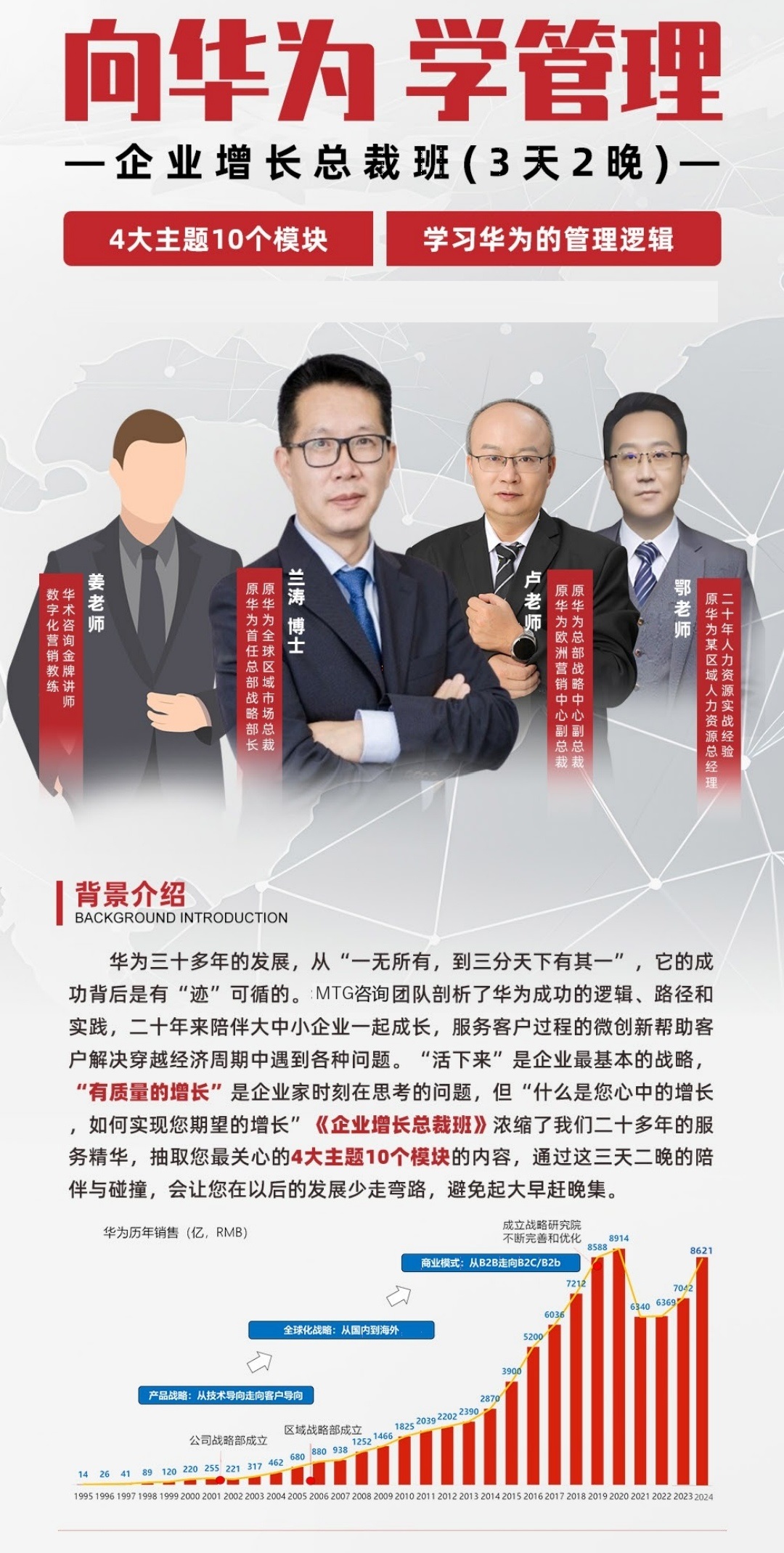
Train Managers in Huawei’s Disciplined Execution and Accountability System
In today’s hyper-competitive global business environment, organizational success hinges not only on visionary leadership and innovative strategies but also on the ability to execute those strategies with precision and accountability. Few companies exemplify this principle as effectively as Huawei Technologies. Over the past three decades, Huawei has grown from a modest telecommunications equipment supplier into a global technology powerhouse—largely due to its rigorous execution culture and deeply embedded accountability systems. At the heart of this operational excellence lies a disciplined approach to management training that instills consistency, ownership, and relentless focus on results.
Huawei’s management philosophy is rooted in what it calls Disciplined Execution and Accountability (DEA). This system is not merely a set of procedures; it is a mindset cultivated through continuous training, reinforced by performance metrics, and supported by a robust organizational framework. Training managers within this DEA model is therefore not an isolated HR initiative—it is a strategic imperative designed to ensure alignment across all levels of the organization.
The foundation of Huawei’s managerial training begins with immersion in the company’s core values: customer-centricity, long-term dedication, hard work, and self-criticism. New and existing managers undergo intensive programs that blend classroom instruction, real-world simulations, and on-the-job mentoring. These sessions are not theoretical—they emphasize practical decision-making under pressure, rapid problem-solving, and the ability to lead teams through ambiguity. Crucially, every training module reinforces the expectation that managers must own outcomes, not just processes.
One hallmark of Huawei’s DEA system is the RACI framework—Responsible, Accountable, Consulted, Informed—which is systematically taught to managers during their development programs. This tool ensures clarity in roles and responsibilities, minimizing overlap and confusion during project execution. By assigning clear accountability for each task, managers learn to delegate effectively while maintaining oversight. This structured approach prevents diffusion of responsibility—a common pitfall in large organizations—and fosters a culture where individuals are expected to deliver on commitments.
Another critical component of Huawei’s training is the emphasis on execution rhythm. Managers are trained to break down strategic goals into quarterly and monthly objectives using the Business Leadership Team (BLT) meeting structure. These regular, data-driven meetings serve as checkpoints to review progress, identify bottlenecks, and recalibrate plans. During training, managers simulate BLT sessions, learning how to present performance dashboards, interpret KPIs, and make timely decisions based on real-time feedback. This cadence of execution ensures that strategy remains dynamic and responsive, rather than static and bureaucratic.
Huawei also places significant weight on performance-based accountability. Unlike traditional models where evaluations may be subjective or infrequent, Huawei employs a continuous assessment system known as PBC (Personal Business Commitment). Every manager sets measurable goals aligned with departmental and corporate objectives at the beginning of the cycle. These commitments are reviewed quarterly, with ratings directly tied to bonuses, promotions, and career progression. Training programs rigorously prepare managers to set SMART (Specific, Measurable, Achievable, Relevant, Time-bound) PBCs and to coach their teams in doing the same. This creates a performance-oriented culture where accountability is not imposed from above but internalized as a professional standard.
Moreover, Huawei’s training emphasizes adaptive leadership in high-pressure environments. Given the company’s global footprint and exposure to geopolitical and technological volatility, managers must be equipped to lead through uncertainty. Simulation exercises often involve crisis scenarios—such as supply chain disruptions or sudden market shifts—requiring rapid decision-making and transparent communication. Trainees learn to maintain team morale, uphold accountability, and adjust execution plans without losing sight of long-term objectives. This resilience-building aspect of training ensures that Huawei’s leadership cadre remains agile and mission-focused.
An often-overlooked but vital element of Huawei’s DEA training is peer accountability. Managers are encouraged to engage in peer reviews and cross-functional audits, fostering a culture where feedback is direct, constructive, and expected. This practice breaks down silos and promotes collective ownership of results. During training, participants are placed in cross-departmental teams to solve complex business challenges, simulating real-world collaboration. Through these experiences, they learn that accountability is not just vertical (to superiors) but horizontal (to colleagues), reinforcing a unified organizational culture.
Finally, Huawei leverages technology to scale and sustain its managerial training. The company uses its proprietary digital learning platforms to deliver standardized content globally, ensuring consistency in DEA principles regardless of geographic location. AI-driven analytics track individual progress, identify skill gaps, and recommend personalized development paths. This data-informed approach allows Huawei to continuously refine its training curriculum, keeping it aligned with evolving business needs.
In conclusion, training managers in Huawei’s Disciplined Execution and Accountability System is a comprehensive, multi-layered process that transforms leadership behavior and drives organizational performance. It combines structured frameworks like RACI and PBC with cultural reinforcement, experiential learning, and technological enablement. The result is a cadre of leaders who do not just manage teams but embody a relentless commitment to execution excellence. For organizations seeking to replicate Huawei’s success, the lesson is clear: sustainable growth depends not on strategy alone, but on the disciplined cultivation of accountable leadership at every level.
点击链接或者扫码注册就能赚钱,数字经济谁先注册,下线就为谁赚钱,介绍服务费
智谷AI名片 无需下载注册就送红包
抢占,卡位,抢占先机,抢开数字门店需要激活码,可以留言
想赚更多钱,想了解详情,请下载,或者留言,一对一沟通,或者参加培训

深圳市马市特吉科技有限责任公司 Copyright © 20024-2026
微信扫码添加我


