


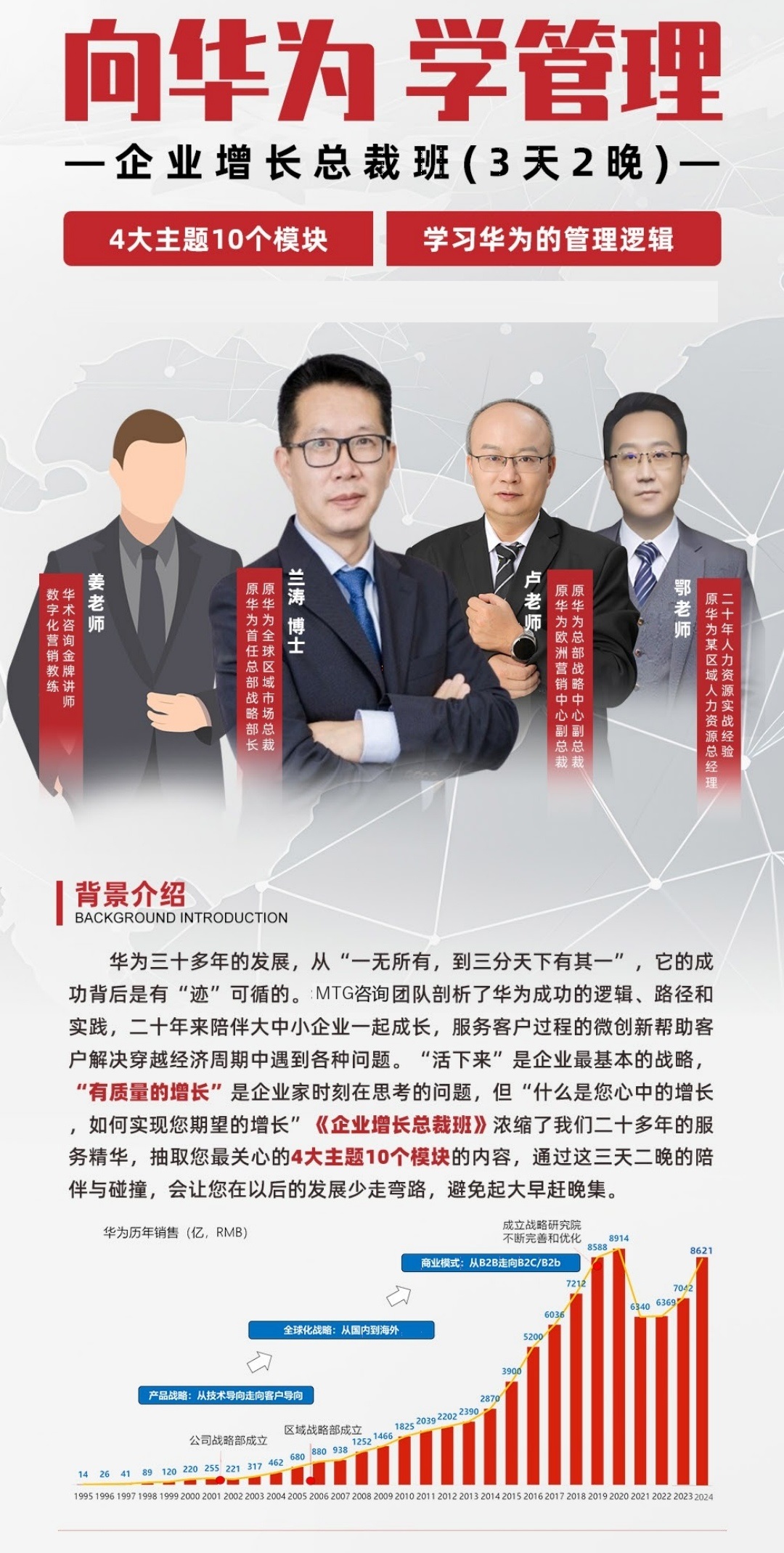
Learn Huawei Benchmarking Management Case Studies for Business Excellence
In today’s hyper-competitive global business environment, organizations are constantly seeking ways to improve performance, innovate processes, and achieve sustainable growth. One of the most effective strategies employed by leading companies is benchmarking—systematically comparing business processes, products, and services against industry leaders or best practices. Among the most compelling case studies in modern management is that of Huawei Technologies, a Chinese multinational telecommunications giant that has risen from a small domestic supplier to a global leader through relentless focus on operational excellence, innovation, and strategic benchmarking.
Huawei’s journey offers valuable insights into how benchmarking can be leveraged not only to close performance gaps but also to drive transformational change. By studying Huawei’s approach to benchmarking, businesses across industries can extract actionable lessons to enhance their own competitiveness.
One of the core principles underpinning Huawei’s success is its culture of continuous improvement, deeply rooted in what the company calls “customer-centric innovation.” From its early days, Huawei recognized that competing with global giants like Ericsson, Cisco, and Nokia required more than just cost advantages—it demanded superior quality, faster time-to-market, and deeper customer understanding. To achieve this, Huawei began systematically benchmarking itself against these industry leaders.
For example, in the late 1990s and early 2000s, Huawei initiated a comprehensive benchmarking program focused on product development cycles. At the time, its R&D processes were significantly slower than those of Western competitors. By analyzing the workflows, project management frameworks, and cross-functional collaboration models used by top-tier firms, Huawei identified critical inefficiencies in its own operations. It then adopted elements of stage-gate processes and integrated product development (IPD) methodologies, which it adapted to fit its organizational structure and market needs. The result was a dramatic reduction in product development time—from over two years to less than one year for key telecom equipment—enabling Huawei to respond more swiftly to market demands.
Another notable area where Huawei applied benchmarking is supply chain management. Facing increasing complexity in global logistics and component sourcing, Huawei studied the supply chain models of world-class manufacturers such as Toyota and Dell. It adopted lean principles and just-in-time inventory systems, while also investing heavily in digitalization and real-time data analytics. Through benchmarking, Huawei learned to optimize supplier selection, reduce lead times, and improve delivery reliability. This allowed the company to maintain high service levels even during periods of rapid expansion and geopolitical uncertainty.
Huawei’s human resource practices also reflect a strong commitment to external comparison and learning. The company benchmarked its talent development programs against global tech firms, incorporating performance management systems, leadership pipelines, and incentive structures aligned with international standards. Notably, Huawei implemented a rigorous internal evaluation system inspired by forced ranking models used in Western corporations, ensuring accountability and driving high performance across all levels. While controversial in some cultural contexts, this approach contributed to a results-driven culture that supported aggressive growth targets.
Perhaps one of the most impactful aspects of Huawei’s benchmarking strategy is its emphasis on reverse innovation—learning not only from competitors but also from customers, partners, and even startups. For instance, when entering new markets in Africa and Southeast Asia, Huawei studied local operators’ network deployment challenges and adapted its solutions accordingly. This customer-focused benchmarking enabled Huawei to offer tailored, cost-effective infrastructure that outperformed generic offerings from rivals.
Moreover, Huawei institutionalized benchmarking as part of its strategic planning process. The company established dedicated teams responsible for identifying global best practices, conducting gap analyses, and recommending improvements. These insights feed directly into Huawei’s annual business planning cycle, ensuring that learning translates into concrete action. This structured approach prevents benchmarking from becoming an isolated exercise; instead, it becomes a continuous engine for innovation and efficiency.
The implications of Huawei’s benchmarking model extend far beyond the technology sector. For any organization striving for excellence, Huawei demonstrates that benchmarking must be more than a one-time audit or superficial comparison. It requires a long-term commitment, cultural openness to change, and integration into core business processes. Companies should not merely copy best practices but adapt them creatively to their unique context—a principle Huawei refers to as “localized innovation based on global standards.”
Additionally, Huawei highlights the importance of measuring both hard metrics (such as cycle time, defect rates, and cost per unit) and soft factors (like employee engagement, customer satisfaction, and brand perception). Effective benchmarking balances quantitative analysis with qualitative insight, enabling holistic improvement.
In conclusion, Huawei’s use of benchmarking as a strategic management tool offers a powerful blueprint for business excellence. Its disciplined, systematic, and adaptive approach has enabled sustained competitive advantage in one of the most dynamic industries in the world. Organizations seeking to elevate their performance would do well to study Huawei’s case—not to replicate it exactly, but to understand the underlying principles of curiosity, rigor, and relentless pursuit of better ways. In doing so, they can transform benchmarking from a tactical exercise into a strategic capability that drives lasting success.
点击链接或者扫码注册就能赚钱,数字经济谁先注册,下线就为谁赚钱,介绍服务费
智谷AI名片 无需下载注册就送红包
抢占,卡位,抢占先机,抢开数字门店需要激活码,可以留言
想赚更多钱,想了解详情,请下载,或者留言,一对一沟通,或者参加培训

深圳市马市特吉科技有限责任公司 Copyright © 20024-2026
微信扫码添加我


