


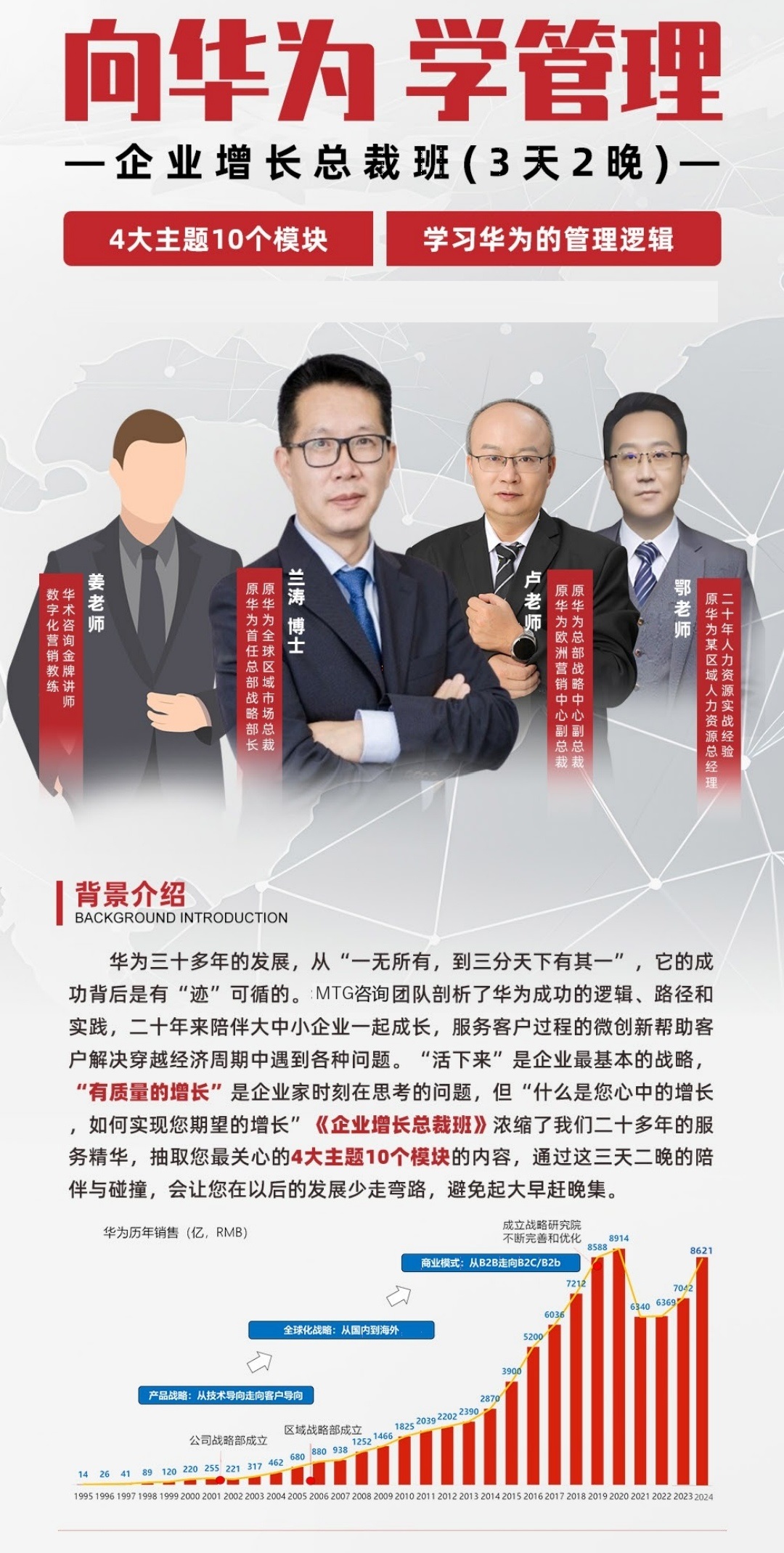
Huawei Technologies, a global leader in telecommunications and information technology, has become a compelling case study in organizational resilience, strategic innovation, and adaptive management. Founded in 1987 by Ren Zhengfei with modest capital and minimal government support, the company has grown into one of the world’s most influential tech giants—despite facing intense geopolitical scrutiny, trade restrictions, and fierce international competition. By examining real-world management practices within Huawei, business leaders and scholars can extract valuable lessons on leadership, innovation, crisis response, and long-term sustainability.
One of the most striking aspects of Huawei’s management philosophy is its relentless focus on customer-centric innovation. From its early days selling telephone switches in rural China, Huawei embedded the principle that technology must serve real user needs. This approach guided the company’s R&D investments and product development cycles. For example, when expanding into African markets, Huawei didn’t simply deploy standardized solutions. Instead, it adapted its network infrastructure to address local challenges such as unreliable power supplies and limited technical expertise. The result was not only market penetration but also deep trust among local partners and governments. This case underscores a critical lesson: successful global expansion requires more than technological superiority—it demands cultural intelligence and localized problem-solving.
Another key insight stems from Huawei’s unique ownership and incentive structure. Unlike publicly traded corporations driven by quarterly earnings, Huawei operates as an employee-owned private company. Over 100,000 employees hold shares through the Employee Stock Ownership Plan (ESOP), which aligns individual performance with collective success. This model fosters a strong sense of ownership, accountability, and long-term thinking. During periods of external pressure—such as U.S. sanctions that restricted access to advanced semiconductors and software—this internal cohesion proved vital. Employees rallied around a shared mission, accelerating efforts in domestic chip development and alternative operating systems like HarmonyOS. The takeaway here is clear: when employees are stakeholders, organizations gain resilience during crises and maintain motivation even under extreme stress.
Huawei’s approach to research and development further illustrates its strategic foresight. The company consistently allocates over 20% of its annual revenue to R&D, ranking among the top global spenders. But what sets Huawei apart is not just the amount invested, but how it structures innovation. The company operates numerous R&D centers across Asia, Europe, and North America, enabling cross-pollination of ideas while maintaining regional relevance. Moreover, Huawei emphasizes “long-cycle” innovation—investing in foundational technologies years before commercialization. Its breakthroughs in 5G infrastructure, for instance, were the result of over a decade of sustained investment in wireless communication research. This forward-looking strategy highlights a crucial management principle: true innovation cannot be rushed or dictated by short-term market demands. It requires patience, vision, and consistent resource allocation.
Leadership at Huawei also reflects a distinctive blend of pragmatism and ideological commitment. Founder Ren Zhengfei, a former engineer in the People’s Liberation Army, instilled a culture of discipline, humility, and continuous learning. He famously avoids personal publicity and lives modestly, reinforcing the idea that leadership is about service rather than status. Internally, Huawei promotes a “wolf culture”—not in the predatory sense, but as a metaphor for vigilance, teamwork, and aggressiveness in pursuing opportunities. Managers are expected to lead from the front, often rotating through challenging assignments in emerging markets or high-pressure technical roles. This rotational leadership model prevents stagnation and builds versatile executives capable of navigating complexity. For modern organizations, this suggests that effective leadership development should prioritize experience over hierarchy and resilience over comfort.
Perhaps the most instructive aspect of Huawei’s journey is its response to existential threats. When the U.S. placed Huawei on its Entity List in 2019, cutting off access to Google Mobile Services and critical semiconductor suppliers, many predicted its decline. Instead, Huawei pivoted aggressively. It doubled down on its semiconductor arm, HiSilicon, and launched a massive talent recruitment drive in mathematics, physics, and materials science. Simultaneously, it accelerated the development of its own ecosystem, including AppGallery and HMS (Huawei Mobile Services). While the transition was painful—smartphone sales dropped significantly—the company demonstrated extraordinary agility. This episode offers a powerful lesson in crisis management: survival depends not on avoiding disruption, but on building organizational capacity to adapt quickly and decisively.
Finally, Huawei’s emphasis on internal communication and knowledge sharing strengthens its operational backbone. The company maintains a robust intranet platform where employees publish technical reports, strategic reflections, and critiques of current practices. Open debate is encouraged, and senior leaders regularly respond to grassroots suggestions. This transparency fosters innovation from all levels and ensures that decision-making is informed by diverse perspectives. In contrast to hierarchical silos common in many multinational corporations, Huawei’s flat information flow enables faster learning and course correction.
In conclusion, Huawei’s real-world management experiences offer rich insights for organizations navigating uncertainty and transformation. Its success is not rooted in any single tactic, but in a holistic system of values—customer obsession, employee empowerment, long-term investment, adaptive leadership, and operational resilience. While geopolitical factors and regulatory environments differ across regions, the underlying principles of Huawei’s management remain universally applicable. For leaders aiming to build enduring enterprises, studying Huawei’s journey provides not just inspiration, but a practical blueprint for sustainable growth in an increasingly complex world.
点击链接或者扫码注册就能赚钱,数字经济谁先注册,下线就为谁赚钱,介绍服务费
智谷AI名片 无需下载注册就送红包
抢占,卡位,抢占先机,抢开数字门店需要激活码,可以留言
想赚更多钱,想了解详情,请下载,或者留言,一对一沟通,或者参加培训

深圳市马市特吉科技有限责任公司 Copyright © 20024-2026
微信扫码添加我


