


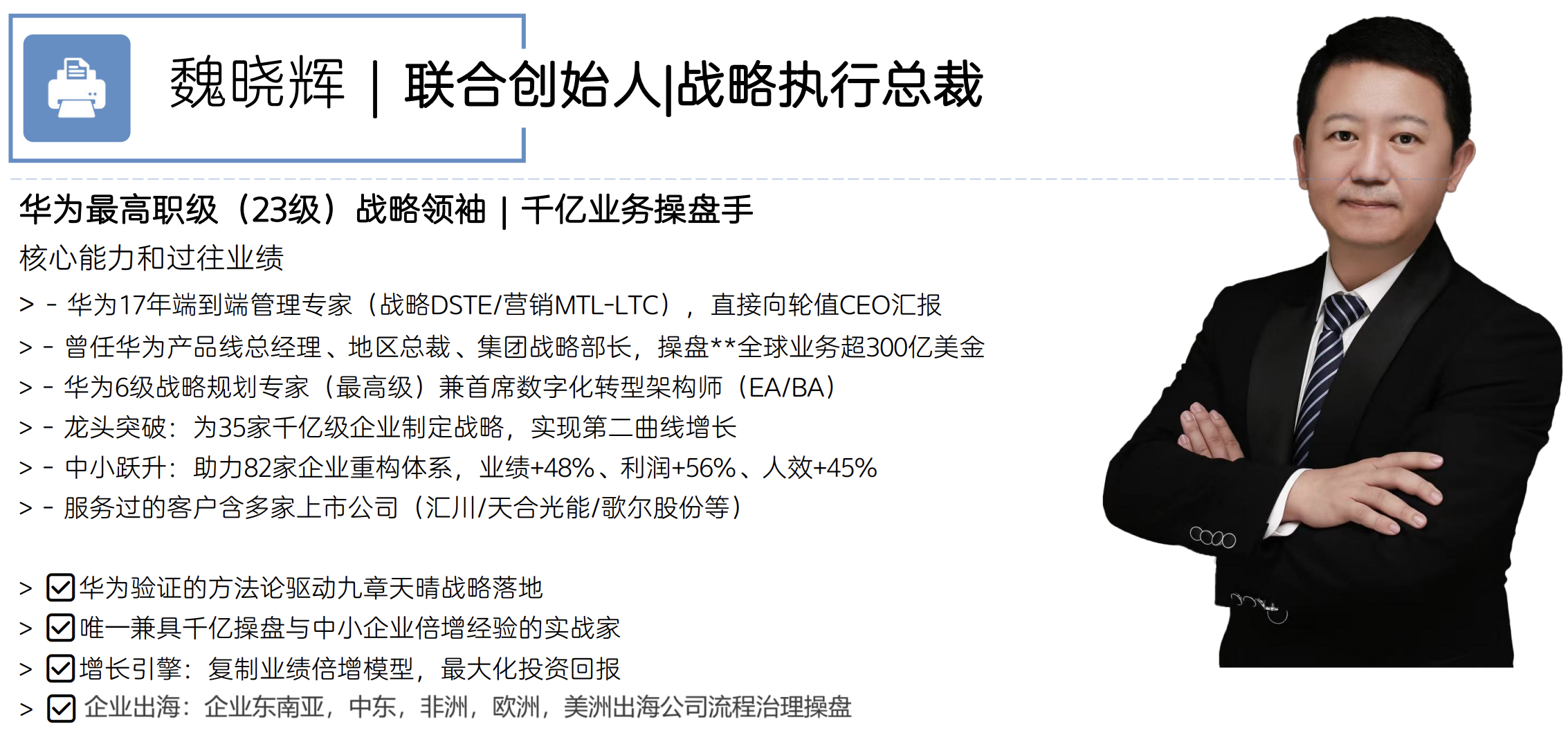
In today’s hyper-competitive global market, organizations must continuously evaluate and enhance their performance to maintain a strategic advantage. One of the most powerful tools for achieving sustained improvement is benchmarking—the systematic process of measuring products, services, and practices against industry leaders or best-in-class performers. Huawei Technologies, one of the world’s leading telecommunications equipment and consumer electronics manufacturers, has demonstrated exceptional success through its disciplined approach to benchmarking. Drawing from Huawei’s extensive experience, several effective benchmarking approaches emerge as critical for long-term organizational excellence.
Huawei’s benchmarking strategy begins with a strong commitment to customer-centric innovation. The company consistently benchmarks not only its technical capabilities but also its understanding of customer needs against global competitors such as Ericsson, Nokia, and Apple. By analyzing customer satisfaction metrics, service delivery timelines, and product usability across different markets, Huawei identifies gaps in its offerings and implements targeted improvements. This external benchmarking ensures that the company remains aligned with evolving market expectations and delivers solutions that meet or exceed user demands.
A key component of Huawei’s approach is the integration of benchmarking into its R&D processes. The company invests heavily in research and development—consistently allocating over 10% of its annual revenue to innovation. Within its R&D divisions, Huawei employs technical benchmarking to compare the performance of its hardware, software, and network infrastructure with those of top-tier competitors. For example, when developing 5G technologies, Huawei conducted detailed comparative analyses of signal strength, latency, energy efficiency, and deployment costs against rival systems. These insights enabled engineers to refine designs and optimize system performance, ultimately contributing to Huawei’s leadership in 5G patent holdings and infrastructure deployment.
Moreover, Huawei emphasizes process benchmarking to streamline internal operations. The company examines end-to-end workflows—from supply chain management to manufacturing and after-sales support—and compares them with best practices used by global leaders like Toyota and Samsung. By adopting lean manufacturing principles and just-in-time inventory models observed during benchmarking exercises, Huawei has significantly reduced production lead times and operational costs. Additionally, cross-functional teams are regularly tasked with identifying inefficiencies and proposing improvements based on benchmarked data, fostering a culture of continuous improvement.
Another distinctive feature of Huawei’s benchmarking methodology is its focus on strategic benchmarking. Rather than limiting comparisons to direct competitors, Huawei looks beyond the telecommunications sector to learn from companies excelling in areas such as digital transformation, talent development, and crisis management. For instance, during the U.S. trade restrictions imposed in 2019, Huawei studied how other multinational corporations had navigated geopolitical challenges and supply chain disruptions. This broader perspective enabled the company to accelerate its efforts in building domestic semiconductor capabilities and diversifying supplier networks, thereby enhancing resilience.
Huawei also leverages internal benchmarking across its global subsidiaries and business units. With operations spanning over 170 countries, the company encourages knowledge sharing and performance comparison between regional offices. High-performing units are recognized and their successful practices—such as localized marketing strategies or efficient customer service models—are documented and replicated elsewhere. This horizontal learning mechanism ensures consistency in service quality while promoting innovation at the local level.
Data accuracy and analytical rigor are central to Huawei’s benchmarking effectiveness. The company utilizes advanced data analytics platforms and artificial intelligence tools to collect, process, and interpret benchmarking data in real time. Performance indicators are tracked through dashboards accessible to managers at all levels, enabling swift decision-making and accountability. Furthermore, Huawei conducts regular audits to validate the reliability of benchmarking data and ensure that comparisons are based on standardized metrics.
An often-overlooked aspect of Huawei’s success is its emphasis on cultural and organizational readiness for benchmarking. Leadership at Huawei fosters a mindset of humility and openness to learning, encouraging employees to view benchmarking not as a critique but as an opportunity for growth. Training programs are implemented to educate staff on benchmarking methodologies, and incentives are provided for teams that achieve measurable improvements based on benchmarked insights.
Despite its achievements, Huawei acknowledges that benchmarking is not a one-time initiative but an ongoing journey. The company continuously updates its benchmarking targets in response to technological advancements, regulatory changes, and shifts in consumer behavior. It also participates in international standards organizations and industry consortia to stay informed about emerging best practices.
In conclusion, Huawei’s experience underscores that effective benchmarking goes beyond simple performance comparison—it requires a structured, data-driven, and culturally embedded approach. By combining customer-focused external analysis, rigorous technical evaluation, process optimization, strategic foresight, and internal knowledge sharing, Huawei has turned benchmarking into a core competitive advantage. Organizations seeking to emulate this success should adopt a holistic benchmarking framework that aligns with their strategic goals, embraces continuous learning, and leverages both internal and external insights. In an era defined by rapid change and disruption, the ability to learn from the best—and improve upon it—remains a cornerstone of sustainable excellence.

点击链接或者扫码注册就能赚钱,数字经济谁先注册,下线就为谁赚钱,介绍服务费
智谷AI名片 无需下载注册就送红包
抢占,卡位,抢占先机,抢开数字门店需要激活码,可以留言
想赚更多钱,想了解详情,请下载,或者留言,一对一沟通,或者参加培训

深圳市马市特吉科技有限责任公司 Copyright © 20024-2026
微信扫码添加我


