


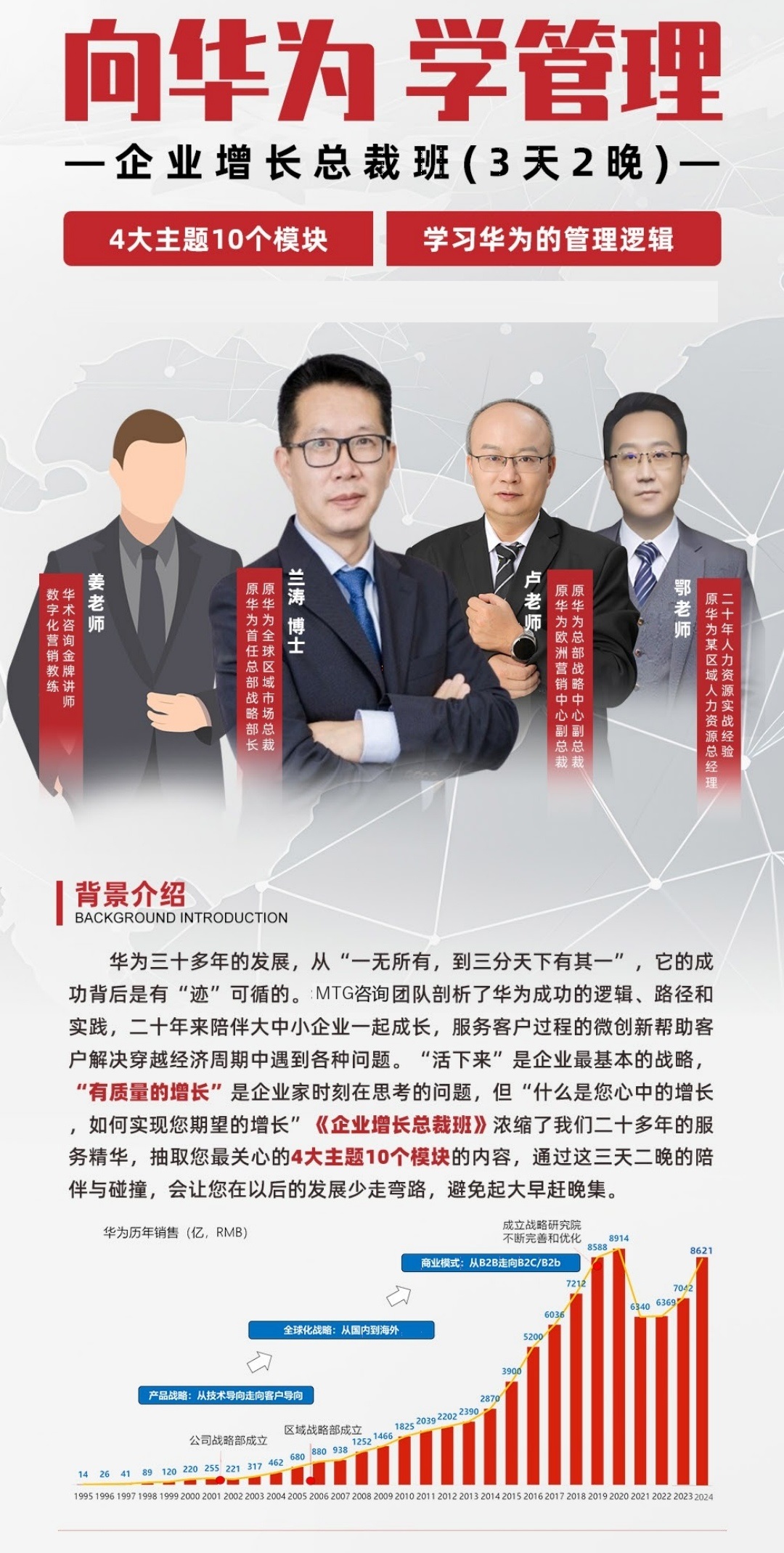
Enhance Efficiency with Huawei-Style Benchmarking Techniques
In today’s hyper-competitive global market, organizations across industries are constantly seeking innovative ways to improve operational efficiency, accelerate innovation, and maintain a sustainable edge. One of the most effective strategies adopted by leading companies is benchmarking—systematically measuring performance against industry leaders to identify improvement opportunities. Among these, Huawei Technologies stands out as a model of excellence in continuous improvement and operational discipline. By analyzing and emulating Huawei-style benchmarking techniques, enterprises can significantly enhance their own efficiency and strategic agility.
Huawei’s rise from a small telecom equipment vendor to a global technology powerhouse was not accidental. It was driven by a relentless focus on learning from the best, adapting rapidly, and embedding a culture of excellence throughout its operations. At the heart of this transformation lies a disciplined approach to benchmarking that goes beyond mere data comparison—it is a holistic, strategic process deeply integrated into planning, execution, and innovation.
Huawei does not view benchmarking as a one-time project or a superficial analysis of competitors’ KPIs. Instead, it treats benchmarking as an ongoing organizational habit—a mindset rooted in humility, curiosity, and a commitment to constant improvement. Ren Zhengfei, Huawei’s founder, has often emphasized the importance of “learning from Western management practices” and “walking the path others have already paved.” This philosophy underpins Huawei’s benchmarking strategy: rather than reinventing the wheel, learn rigorously from those who have achieved success before you.
For instance, in the early 2000s, Huawei studied IBM extensively to overhaul its product development processes. It adopted IBM’s Integrated Product Development (IPD) framework, which transformed how Huawei managed R&D cycles, reduced time-to-market, and improved cross-functional collaboration. This wasn’t just about copying a process; it involved deep analysis, adaptation to local context, and sustained investment in training and change management.
Strategic Alignment
Huawei ensures that every benchmarking initiative aligns with long-term corporate goals. Whether improving supply chain responsiveness or enhancing customer service quality, the benchmarks selected are directly tied to strategic priorities. This prevents organizations from getting lost in irrelevant metrics and keeps improvement efforts focused and impactful.
Comprehensive Data Collection and Analysis
Huawei employs rigorous data gathering from multiple sources—competitors, partners, industry reports, and internal performance logs. It doesn’t rely solely on surface-level indicators like revenue or market share but digs deeper into operational metrics such as defect rates, cycle times, innovation throughput, and employee productivity. Advanced analytics and AI tools are used to interpret patterns and uncover root causes behind performance gaps.
Cross-Functional Involvement
Benchmarking at Huawei is not confined to a single department or a quality team. It involves engineers, marketers, HR professionals, and supply chain managers working together to understand best practices across functions. This collaborative approach ensures that insights are actionable and widely embraced across the organization.
Adaptation Over Imitation
A hallmark of Huawei’s method is its ability to adapt foreign models to fit its unique business environment and cultural context. For example, while adopting IPD from IBM, Huawei modified timelines, governance structures, and decision gates to suit its fast-paced innovation needs. This balance between learning and localization is critical—blind imitation often leads to failure, whereas thoughtful adaptation drives real progress.
Continuous Feedback Loops
Huawei embeds feedback mechanisms into every benchmarked process. Performance is monitored in real time, deviations are flagged quickly, and corrective actions are implemented promptly. This creates a dynamic system where benchmarking is not a periodic exercise but a living part of daily operations.
Businesses looking to adopt Huawei-style benchmarking should start by identifying critical performance areas—such as customer acquisition cost, order fulfillment time, or software deployment frequency—and selecting world-class reference points. These could be direct competitors, industry leaders in adjacent sectors, or even non-commercial institutions known for operational excellence.
Next, establish dedicated teams to conduct in-depth comparative studies. Use structured frameworks like SWOT analysis, gap analysis, or balanced scorecards to evaluate differences and prioritize improvement initiatives. Importantly, involve frontline employees in this process—they often possess invaluable insights into bottlenecks and inefficiencies.
Invest in training and knowledge transfer. Huawei spends heavily on internal academies and leadership programs to ensure that lessons from benchmarking are institutionalized. Employees are taught not only what to improve but how to think critically about performance.
Finally, foster a culture of accountability and transparency. At Huawei, performance data is shared openly, and managers are expected to explain variances and propose solutions. This builds trust, encourages ownership, and accelerates problem-solving.
Efficiency gains through benchmarking are not self-sustaining. Huawei continuously recalibrates its benchmarks as markets evolve and new leaders emerge. It also encourages internal benchmarking—comparing performance across different divisions or regions—to promote healthy competition and knowledge sharing within the company.
Moreover, Huawei combines external benchmarking with internal innovation. Once baseline efficiencies are achieved, it shifts focus to differentiation—developing proprietary technologies, services, or business models that set it apart. This dual strategy of catching up and then leapfrogging is key to long-term success.
In conclusion, Huawei-style benchmarking is more than a tool—it is a strategic discipline that blends external learning with internal execution excellence. By adopting its principles—strategic alignment, rigorous analysis, cross-functional engagement, contextual adaptation, and continuous improvement—organizations can dramatically enhance their efficiency, resilience, and capacity for innovation. In an era defined by rapid change and escalating demands, such an approach is not just beneficial; it is essential.
点击链接或者扫码注册就能赚钱,数字经济谁先注册,下线就为谁赚钱,介绍服务费
智谷AI名片 无需下载注册就送红包
抢占,卡位,抢占先机,抢开数字门店需要激活码,可以留言
想赚更多钱,想了解详情,请下载,或者留言,一对一沟通,或者参加培训

深圳市马市特吉科技有限责任公司 Copyright © 20024-2026
微信扫码添加我


