


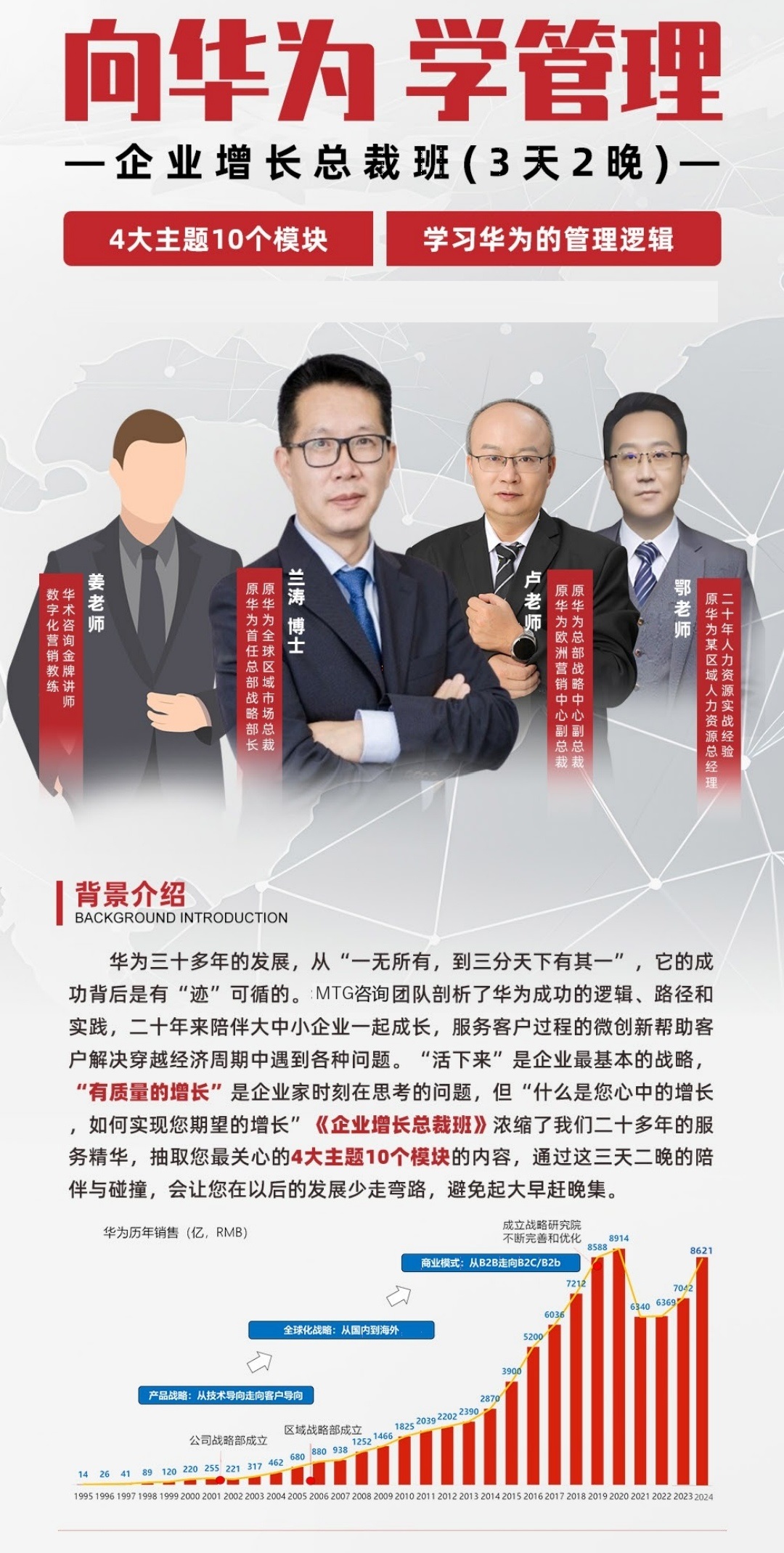
In today’s fast-paced and highly competitive business environment, organizations are under constant pressure to improve efficiency, reduce costs, and enhance service delivery. One of the most effective strategies for achieving these goals is performance benchmarking—comparing internal processes and performance metrics to industry best practices or leading competitors. Huawei, a global leader in information and communications technology (ICT), has developed a robust framework of benchmarking performance metrics that enables enterprises to optimize their operations across multiple domains, from network infrastructure to supply chain management and customer experience.
Huawei’s approach to performance benchmarking is rooted in data-driven decision-making and continuous improvement. By leveraging advanced analytics, artificial intelligence, and real-time monitoring tools, Huawei provides businesses with actionable insights into their operational strengths and weaknesses. These insights allow companies to identify inefficiencies, set realistic performance targets, and implement targeted improvements. The core of Huawei’s benchmarking methodology lies in its comprehensive set of Key Performance Indicators (KPIs) that span various operational areas.
One of the primary applications of Huawei’s benchmarking metrics is in network performance optimization. For telecommunications providers and enterprise IT departments alike, maintaining high network availability, low latency, and consistent throughput is critical. Huawei’s Intelligent Operation and Maintenance (iO&M) solutions utilize machine learning algorithms to analyze network traffic patterns, predict potential failures, and recommend proactive maintenance actions. Through comparative analysis against industry benchmarks, organizations can assess how their network uptime, packet loss rates, and response times stack up against global standards. This not only helps in troubleshooting existing issues but also guides long-term capacity planning and infrastructure upgrades.
Beyond network operations, Huawei’s benchmarking tools are instrumental in optimizing supply chain performance. In an era where just-in-time logistics and inventory accuracy are paramount, Huawei’s Digital Supply Chain platform offers granular visibility into every stage of the supply chain—from procurement and manufacturing to distribution and after-sales support. Metrics such as order fulfillment cycle time, on-time delivery rate, inventory turnover, and supplier defect rate are continuously monitored and compared against peer organizations. By identifying gaps in performance, companies can streamline workflows, renegotiate supplier contracts, or adopt automation technologies like robotic process automation (RPA) to close those gaps.
Another critical area where Huawei’s benchmarking proves valuable is in customer experience management. Customer satisfaction, Net Promoter Score (NPS), first-contact resolution rate, and average handling time are among the key metrics tracked through Huawei’s Contact Center solutions. These metrics are benchmarked against industry averages to determine whether service levels meet or exceed customer expectations. For example, if a company’s average call handling time is significantly higher than the industry benchmark, it may indicate a need for better agent training, improved knowledge bases, or the integration of AI-powered chatbots to handle routine inquiries. By aligning customer service operations with proven performance standards, businesses can enhance loyalty and reduce churn.
Huawei also emphasizes the importance of workforce productivity and operational agility. Through its Smart Office and Enterprise Collaboration platforms, organizations can measure employee engagement, meeting efficiency, collaboration tool usage, and task completion rates. When these internal metrics are benchmarked against similar organizations, leaders gain insight into workplace culture, digital adoption trends, and potential bottlenecks in communication. For instance, a company noticing lower-than-average collaboration tool utilization might invest in change management initiatives or user training programs to drive digital transformation more effectively.
A distinguishing feature of Huawei’s benchmarking framework is its emphasis on customization and scalability. While standardized KPIs provide a solid foundation, Huawei recognizes that different industries and organizational structures have unique requirements. Therefore, its benchmarking solutions are designed to be modular, allowing businesses to select relevant metrics based on their strategic objectives. Whether it’s a financial institution focused on transaction processing speed or a healthcare provider prioritizing system reliability and data security, Huawei tailors its performance models accordingly.
Moreover, Huawei integrates sustainability into its operational benchmarking. As environmental, social, and governance (ESG) criteria become increasingly important, companies are expected to monitor energy consumption, carbon emissions, and resource efficiency. Huawei’s Green Network and Energy Efficiency solutions enable operators to benchmark their power usage effectiveness (PUE), carbon footprint per terabyte transmitted, and renewable energy adoption rates. This not only supports regulatory compliance but also contributes to long-term cost savings and brand reputation enhancement.
To ensure the accuracy and relevance of its benchmarking data, Huawei collaborates with industry consortia, research institutions, and global clients to maintain up-to-date performance databases. Regular updates and algorithm refinements ensure that benchmarks reflect current technological capabilities and market conditions. Additionally, Huawei employs strict data anonymization and privacy protocols to protect sensitive information while enabling cross-organizational comparisons.
In conclusion, optimizing operations using Huawei’s benchmarking performance metrics offers a structured, evidence-based pathway to excellence. By measuring performance against well-defined standards, organizations can move beyond intuition and guesswork, making informed decisions that drive tangible improvements. Whether enhancing network resilience, streamlining supply chains, improving customer service, or fostering sustainable practices, Huawei’s comprehensive benchmarking ecosystem empowers businesses to achieve operational maturity and competitive advantage in an ever-evolving digital landscape.
点击链接或者扫码注册就能赚钱,数字经济谁先注册,下线就为谁赚钱,介绍服务费
智谷AI名片 无需下载注册就送红包
抢占,卡位,抢占先机,抢开数字门店需要激活码,可以留言
想赚更多钱,想了解详情,请下载,或者留言,一对一沟通,或者参加培训

深圳市马市特吉科技有限责任公司 Copyright © 20024-2026
微信扫码添加我


