


Performance Management Lessons from Huawei’s Real Cases
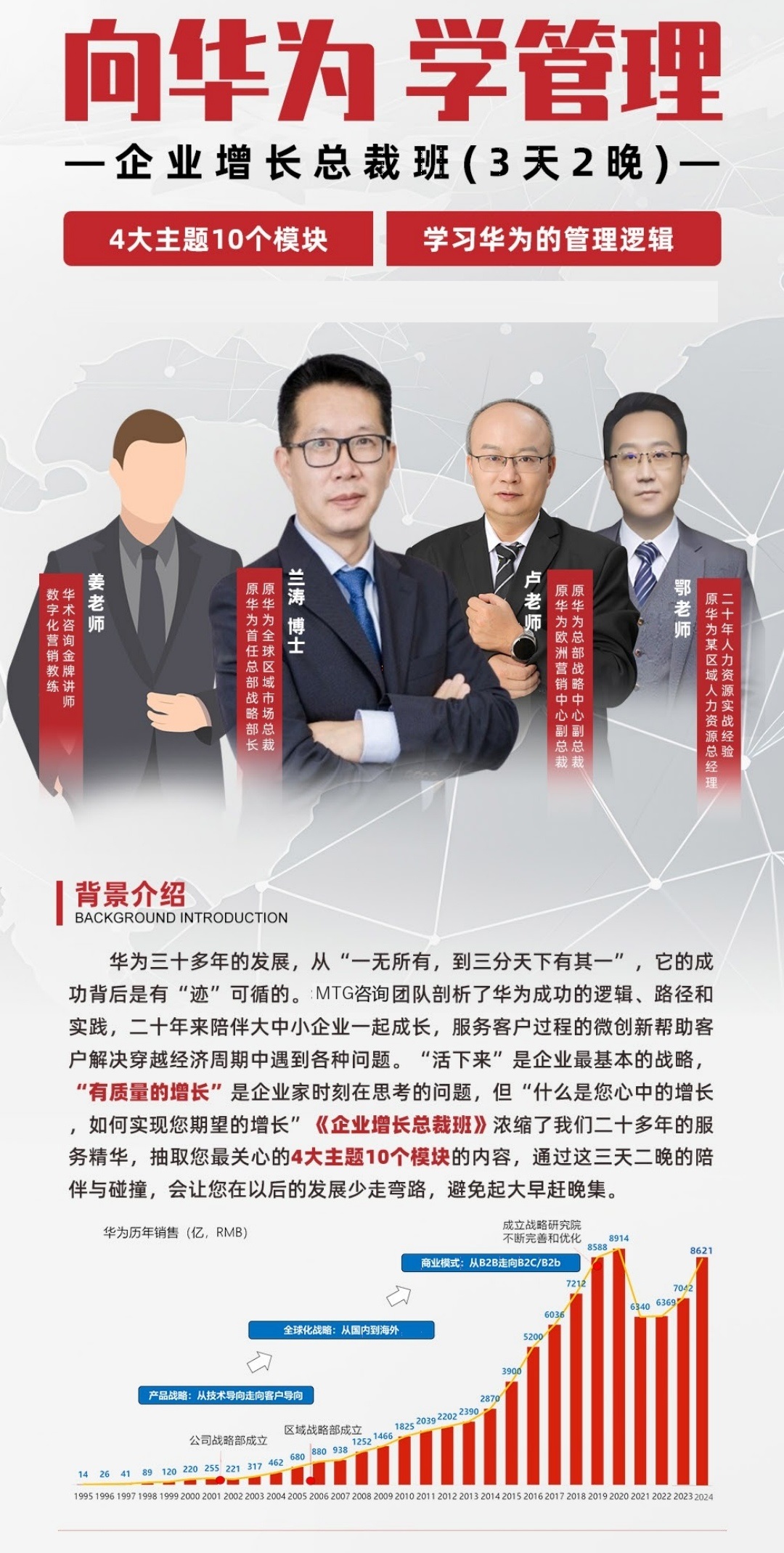
Huawei Technologies, one of the world’s leading telecommunications equipment and consumer electronics manufacturers, has consistently demonstrated exceptional organizational performance despite intense global competition and geopolitical challenges. A key factor behind its sustained success lies in its robust performance management system—a strategic framework that aligns individual contributions with corporate objectives while fostering innovation, accountability, and continuous improvement. By examining real cases from Huawei’s operational history, several critical lessons emerge for organizations seeking to enhance their own performance management practices.
One of the most prominent aspects of Huawei’s performance management is its results-oriented culture. In the early 2000s, as Huawei expanded into international markets, it faced significant setbacks due to unfamiliar business environments and cultural differences. For instance, in its initial entry into the African market, many projects failed to meet profitability targets. Rather than attributing these failures solely to external factors, Huawei implemented a rigorous performance review process that emphasized accountability at all levels. Managers were evaluated not just on revenue but on customer satisfaction, project execution efficiency, and long-term relationship building. This shift led to a more disciplined approach where employees were incentivized to deliver measurable outcomes. The lesson here is clear: performance metrics must go beyond financial outputs and incorporate strategic KPIs that reflect both short-term results and long-term sustainability.
Another defining feature of Huawei’s model is its integrated feedback and coaching system. Unlike traditional annual reviews, Huawei employs a dynamic, continuous evaluation mechanism known as the “PBC” (Personal Business Commitment) system. Introduced in the late 1990s with support from consulting firms like Hay Group, PBC requires employees to set quarterly goals aligned with departmental and company-wide objectives. These goals are reviewed regularly through manager-employee dialogues, allowing for real-time adjustments and developmental feedback. A notable case occurred in Huawei’s R&D division, where a team working on 5G technology was falling behind schedule. Instead of punitive measures, managers used PBC discussions to identify skill gaps and reassign resources. Within six months, the team not only caught up but exceeded innovation benchmarks. This highlights the importance of viewing performance management as a developmental tool rather than merely an evaluative exercise. Continuous dialogue fosters agility and empowers employees to adapt quickly in fast-paced industries.
Huawei also exemplifies how performance-based differentiation can drive motivation and excellence. The company applies a forced-ranking system—often referred to internally as the “ten-point curve”—where employees are categorized into top performers, core contributors, and underperformers. While controversial in some Western contexts, this system has proven effective in maintaining high standards at Huawei. In one documented case, a mid-level executive in the European region received consistent positive client feedback but showed limited initiative in process improvements. As a result, he was ranked in the lower tier during his appraisal cycle and placed on a performance improvement plan. This prompted him to take leadership training and initiate automation projects that later reduced operational costs by 18%. The takeaway is that transparent, data-driven evaluations—even when uncomfortable—can stimulate growth when paired with support and clear expectations.
Moreover, Huawei integrates long-term incentive alignment into its performance framework. The company’s Employee Stock Ownership Plan (ESOP), which covers over 100,000 employees, ties financial rewards directly to company performance and individual contribution. During the U.S. sanctions crisis in 2019, when Huawei’s supply chain was severely disrupted, employee morale could have plummeted. However, because staff had a direct stake in the company’s survival, many voluntarily worked extended hours and contributed innovative workarounds to maintain production. Engineers in the HiSilicon division, for example, accelerated the development of domestic chip alternatives under immense pressure. Their efforts were later recognized through bonus allocations and stock dividends. This demonstrates how linking performance to ownership creates resilience and commitment, especially during times of crisis.
Finally, Huawei emphasizes cultural consistency in performance expectations. Despite operating in over 170 countries, the company maintains a unified performance philosophy centered on hard work, customer-centricity, and self-criticism. When Huawei launched operations in Germany, local managers initially resisted the intense work ethic associated with headquarters. To bridge this gap, the company introduced cross-cultural mentorship programs where high-performing expatriate and local employees collaborated on joint projects. Performance evaluations included peer reviews and cultural adaptability metrics. Over time, this helped harmonize expectations without sacrificing local sensitivity. The lesson is that global organizations must balance standardization with contextual adaptation, ensuring that performance systems are both consistent and inclusive.
In conclusion, Huawei’s real-world experiences offer valuable insights into effective performance management. Its emphasis on outcome accountability, continuous feedback, differentiated recognition, long-term incentives, and cultural coherence forms a holistic system that drives sustained organizational excellence. While not every practice may be directly transferable—especially given Huawei’s unique context—the underlying principles are universally applicable. Organizations aiming to build agile, resilient, and high-performing teams would do well to study and selectively adopt elements of Huawei’s approach, adapting them to their own strategic and cultural environments.
点击链接或者扫码注册就能赚钱,数字经济谁先注册,下线就为谁赚钱,介绍服务费
智谷AI名片 无需下载注册就送红包
抢占,卡位,抢占先机,抢开数字门店需要激活码,可以留言
想赚更多钱,想了解详情,请下载,或者留言,一对一沟通,或者参加培训

深圳市马市特吉科技有限责任公司 Copyright © 20024-2026
微信扫码添加我


